Why Heel Drops Matter for Your Bone Health
If you’ve been diagnosed with osteoporosis or osteopenia, you’ve probably heard contradictory advice about exercise. “Be careful!” some say, while others insist you need to push harder. So what’s the truth?
Here’s what research shows: your bones need stress to stay strong. Without it, they become weaker. But not just any exercise will do—your bones respond best to specific types of mechanical loading.
That’s where heel drops for osteoporosis come in.
Heel drops are one of the 5 best osteoporosis exercises that delivers approximately 3.6 times your body weight in force through your bones—exactly the kind of stimulus your skeletal system needs to maintain and even improve bone density.
As physical therapists specializing in bone health for active adults over 50 in Farmingdale, NY, we’ve seen firsthand how incorporating heel drops safely into an exercise routine can make a significant difference in our patients’ bone density scans and, more importantly, their confidence in staying active.
What Are Heel Drops?
Heel drops (also called heel raises or heel strikes) are a weight-bearing impact exercise where you rise up onto your toes and then drop down onto your heels with controlled force.
Unlike gentle exercises like walking or swimming, heel drops create what researchers call “osteogenic loading”—the type of mechanical stress that triggers your body to build more bone tissue.
Why this works: Wolff’s Law states that bones adapt and change in response to the stress placed on them. When you perform heel drops, you’re essentially telling your bones: “We need to get stronger here.”
The Science Behind Heel Drops and Bone Density
Let’s look at what makes heel drops so effective for osteoporosis:
Ground Reaction Forces
Research shows that different exercises produce different amounts of force through your bones. While exercises like deadlifts for osteoporosis provide excellent resistance training benefits, impact exercises create unique bone-building stimulus through ground reaction forces:
- Walking: 1.2x your body weight
- Marching in place: 1.5x your body weight
- Heel drops: 3.6x your body weight
- Vertical jump: 4.7x your body weight
Heel drops hit the sweet spot—they provide significant bone-building stimulus without the high injury risk of jumping exercises, making them ideal for individuals with low bone density.
Evidence from the LIFTMOR Trial
The landmark LIFTMOR study demonstrated that high-intensity resistance and impact training significantly improved bone mineral density in postmenopausal women with osteopenia and osteoporosis. Participants who performed supervised impact exercises like heel drops showed:
- 2.9% improvement in lumbar spine bone density
- 0.3% improvement in femoral neck bone density
- Substantial improvements in physical function
Importantly, the study found these exercises were safe when properly supervised—no participants experienced fractures related to the exercise program.
How to Perform Heel Drops Safely: Step-by-Step Guide
IMPORTANT SAFETY NOTE: Before starting any new exercise program for osteoporosis, consult with a physical therapist or your physician, especially if you have a T-score below -2.5, a history of fractures, or balance concerns.
Basic Heel Drop Technique
- Starting Position
- Stand near a wall or sturdy surface for balance support (a kitchen sink works great here)
- Feet hip-width apart
- Maintain upright posture with shoulders back
- The Rise
- Push up onto your toes/balls of your feet
- Rise as high as comfortable
- Keep your core engaged
- The Drop
- Allow your heels to drop quickly to the ground
- Land with your full foot flat
- The impact should feel controlled but definite—you should hear the sound of your heels hitting the floor
- Recovery
- Pause briefly
- Repeat for prescribed repetitions
Watch: Heel Drops for Osteoporosis Demonstration
Want to see exactly how to perform heel drops correctly? Watch this step-by-step video demonstration:
In this video, I demonstrate:
- Proper starting position and posture cues
- The correct rise and drop technique
- Common mistakes to avoid
- How to progress safely over time
- Modifications for different fitness levels
Subscribe to our Newsletter for more evidence-based osteoporosis exercise tutorials and bone health tips from In Motion Physical Therapy.
Progression Guidelines
Beginner Level (Weeks 1-2):
- 10 repetitions
- 2 sets
- 3 times per week
- Use wall support as needed
Intermediate Level (Weeks 3-6):
- 15-20 repetitions
- 2-3 sets
- 3-4 times per week
- Reduce wall support
Advanced Level (After 6+ weeks):
- 20-30 repetitions
- 3 sets
- 4-5 times per week
- Add single-leg variations (with supervision)
Common Mistakes to Avoid
Even simple exercises can be done incorrectly. Watch out for these errors:
1. Landing Too Softly
The whole point is to create impact. If you’re lowering your heels gently, you’re missing the bone-building benefit. You should hear an audible “thump” when your heels hit the ground.
2. Doing Too Much Too Soon
Remember the principle of progressive overload. Your bones need time to adapt. Jumping into 100 heel drops daily can lead to stress injuries rather than bone strength.
3. Poor Posture
Leaning forward or rounding your shoulders shifts the force away from your spine and hips—the areas that most need strengthening.
4. Inconsistent Practice
One of the key principles of bone health is reversibility—gains are lost when you stop exercising. Consistency matters more than intensity.
Who Should NOT Do Heel Drops (Or Should Modify Them)
While heel drops are generally safe, certain conditions require caution:
- Severe osteoporosis (T-score below -3.0) without professional supervision
- Recent fractures (within the past 3-6 months)
- Significant balance problems or fall risk
- Active foot/ankle injuries or conditions like plantar fasciitis
- Uncontrolled osteoporosis in combination with other risk factors
If any of these apply to you, work with a physical therapist to determine if heel drops are appropriate or if modifications are needed.
Integrating Heel Drops Into a Comprehensive Bone Health Program
Heel drops alone won’t reverse osteoporosis. They’re one piece of a larger puzzle that includes:
1. Progressive Resistance Training
Building muscle strength, particularly in your legs, back, and core, provides the foundation for bone health and reduces fall risk. Exercises that increase bone density in the spine are particularly important for reducing fracture risk.
2. High-Velocity Power Training
Exercises performed quickly (like medicine ball throws or rapid step-ups) create the type of varied loading that bones respond to best.
3. Weight-Bearing Impact Training
Heel drops fall into this category, along with other impact exercises detailed in our comprehensive osteoporosis exercise guide.
4. Proper Nutrition
Calcium, vitamin D, vitamin C, and adequate protein support the bone-building process exercise initiates.
5. Balance Training
Preventing falls is just as important as building bone density.
At In Motion Physical Therapy, we design individualized programs that address all these elements, tailored to your specific bone density results, fitness level, and goals.
Frequently Asked Questions about Heel Drops
How long until I see results from heel drops?
Can heel drops reverse osteoporosis?
Are heel drops better than walking for bone health?
How many heel drops should I do per day?
Can I do heel drops if I'm on osteoporosis medication?
Why Professional Guidance Matters for Osteoporosis Exercise
Here’s something we see frequently in our Farmingdale Physical Therapy clinic: people with osteoporosis who are either doing too little (afraid to exercise) or doing the wrong exercises (not creating enough bone stimulus).
The challenge with osteoporosis is finding the balance between safety and effectiveness. Too cautious, and you won’t build bone. Too aggressive, and you risk injury.
This is where working with physical therapists who specialize in bone health makes a difference. We can:
- Assess your specific risk factors and current bone density
- Design a progressive program that’s challenging but safe
- Teach proper technique to maximize benefit and minimize risk
- Monitor your progress and adjust as needed
- Address concurrent issues like balance problems or muscle weakness
Take the Next Step Toward Stronger Bones
Heel drops are a powerful tool for building bone density, but they’re most effective when part of a comprehensive, supervised program tailored to your needs.
At In Motion Physical Therapy in Farmingdale, NY, we specialize in helping active adults over 50 maintain and improve their bone health without feeling like “fragile patients.” Our approach combines evidence-based exercises like heel drops with Pilates-based strengthening and balance training—all designed to keep you doing the activities you love.
Ready to take control of your bone health?
→ Schedule a Discovery Call to discuss your bone density concerns and see if our specialized approach is right for you.
Call or text us: 516-659-1087
Email: Admin@InMotionPTNY.com
Remember: Your bones are living tissue that respond to how you use them. With the right approach, you can build strength and confidence at any age.
Continue Your Bone Health Journey
Ready to expand your osteoporosis exercise routine? Check out these related articles:
- 5 Best Osteoporosis Exercises – Discover the complete toolkit for building bone density
- How to Perform the Deadlift for Osteoporosis – Master this powerful compound movement safely
- What Exercises Increase Bone Density in the Spine – Target your most fracture-prone areas
- Complete Osteoporosis Exercise Guide – Your comprehensive resource for bone-building workouts
References
- Watson SL, Weeks BK, Weis LJ, et al. High-Intensity Resistance and Impact Training Improves Bone Mineral Density and Physical Function in Postmenopausal Women With Osteopenia and Osteoporosis: The LIFTMOR Randomized Controlled Trial. J Bone Miner Res. 2018.
- Cosman F, et al. Clinician’s Guide to Prevention and Treatment of Osteoporosis. Osteoporosis International. 2014;25(10):2359-2381.
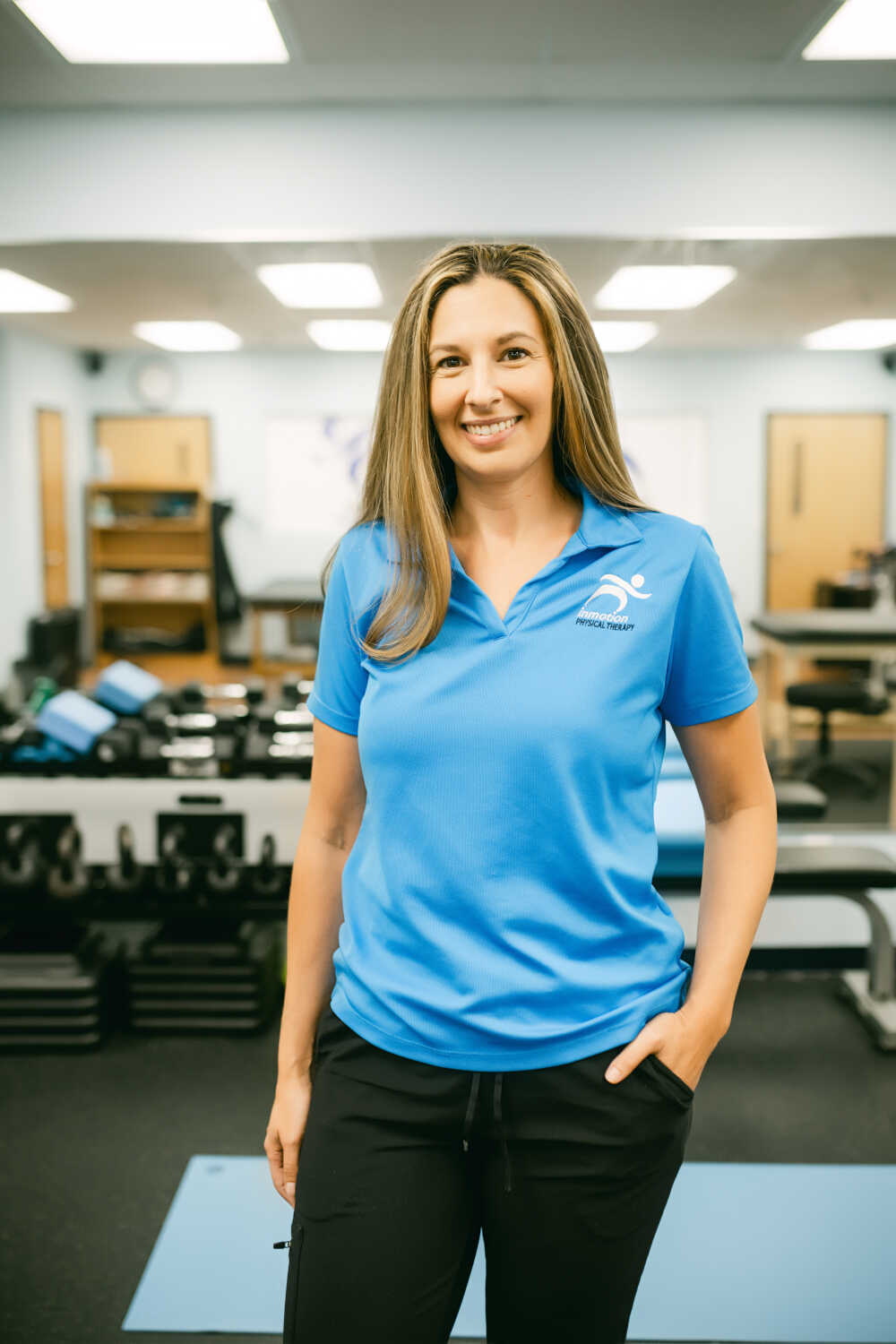
Laura Sommer has been practicing as a Physical Therapist since 2011. She graduated from Northeastern University, where she was a member of the Women’s Soccer Team. Laura is the owner of In Motion Physical Therapy located in Farmingdale, NY.