Most people start jogging about 12 weeks after ACL surgery, but your knee’s readiness matters more than the date. Before a first run you should walk without a limp, have close to full motion and little swelling, and pass strength, balance, squat, lunge, step-up and landing tests with your physical therapist. Passing those is what keeps you from a setback.
How soon can you run after ACL surgery? If you’re a few weeks out, you’re probably counting the days.
I get it. I tore my ACL skiing, and what I wanted most was a clear plan. What were the steps? What milestones did I need to hit along the way? What I got was basically “12 weeks and you can start running.”
Here’s the honest answer: about 12 weeks for most people. But that number is an average, not a permission slip. Your body decides when you’re ready, and we can test for it.
This post is for athletes and the parents driving them to PT. If you’re still in the first couple of weeks, start with what to do the first week after ACL surgery. If you’d rather talk through where you are, use our contact form and the team at In Motion Physical Therapy in Farmingdale will map out your steps.
When Can You Start Running After ACL Reconstruction? About 12 Weeks
About 12 weeks. When researchers pulled together 201 studies on returning to running after ACL reconstruction, the median time protocols allowed running was 12 weeks (Rambaud et al., 2018).
The range was 5 to 39 weeks. Read that again. One plan says week 5, another says week 39. If the calendar were the whole story, those numbers wouldn’t be so far apart.
Fewer than 1 in 5 of those studies used strength or performance criteria on top of time. That’s the gap we care about.
Why 12 Weeks Isn’t Enough: Criteria Beat the Calendar
Yes, time matters. Your new ligament needs it. But it’s more important that your first run is based on criteria:
- What your body is ready to do
- What your strength looks like
- Whether you’re limping
- Whether you can absorb the shock of landing from a jump
- Whether you can lunge and do all of the above without pain
That way, when we start jogging, we’re confident in your body and you don’t have a major setback.
Waiting also pays off later. In one study of athletes after ACL reconstruction, each month return to sport was delayed, up to 9 months, cut the knee reinjury rate by 51% (Grindem et al., 2016). That study looked at returning to sport, not your first jog, but it points the same direction. Patience early protects the knee later.
For the full timeline, see our ACL healing timeline.
Return-to-Running Tests: What to Pass Before Your First Run
Here’s what we test, in plain English.
1. Walking Without a Limp
If you’re limping, your knee isn’t ready for running. Running asks far more of it than walking does. Clean, even walking comes first.
2. Knee Motion, Swelling and Pain
In the research, the common bar is knee motion above 95% of your other knee and little to no pain, under 2 out of 10 (Rambaud et al., 2018). Swelling should be minimal too.
3. Quad Strength: The 80% Target
We test your strength side to side, and we like to see your surgical leg at 80% or more of your other leg’s strength before we start jogging. That’s the target we use at In Motion. Some studies accept 70% (Rambaud et al., 2018), but we’d rather you earn the extra margin. If strength is the holdup, there are smart ways to build it without heavy loads, like blood flow restriction training.
4. Balance, Squats, Lunges and Step-Ups
We check that you can squat, lunge and step up, and that your balance is steady on the surgical leg. No pain during any of it.
5. Landing and Pogo Hops
This one surprises people. We test some jumping, but very, very easy: small pogo-hop style bounces. We’re checking that you can absorb the force of landing without your knee wobbling or hurting.
Ready to Run After ACL Surgery? A Quick Self-Check
Tick these off honestly. This is a gut check, not a clearance. Only your PT and surgeon can clear you.
☐ I walk without a limp
☐ My knee bends and straightens almost as far as the other one
☐ I have little or no swelling after activity
☐ I can squat, lunge and step up with no pain
☐ I can do small, easy pogo hops without pain or wobble
☐ My strength testing shows my surgical leg at 80% or more of my other leg
☐ I’ve been doing regular bike, swimming or other cardio
Missed a few? That’s information, not failure. It tells you what to work on this week.
Cardio Before Running After ACL Surgery: The Overlooked Step
Honestly, the most common thing I see getting in the way of a first run is aerobic conditioning. Your knee can pass every test, and then you get winded fast because your fitness slipped during recovery.
So get on the bike. Swim. Do any aerobic work you’re allowed to do, leading into being cleared to run. By the time you jog, your knee and your lungs should both be ready.
ACL Recovery Timeline: The Road to Your First Run
Every surgeon and every protocol is a little different, so treat this as a general picture:
- Early weeks: calm swelling, get your motion back, wake up your quad. (Our first week guide covers this.)
- Middle weeks: build strength and balance, add cycling and other cardio.
- Around the 3 month mark: testing. If you pass, you start jogging. Here are some exercises for around 3 months post ACL surgery to get ready.
Having a plan like this, with clear milestones, is what I wish I’d had.
Can You Run at 8 Weeks After ACL Surgery?
Honestly, It’s just not worth it.
If you’re flying through rehab and pass every return-to-running test with flying colors, we’ll talk about it. But there are very, very few times I’m going to say, “Yes, let’s go this soon.” Running before your body is ready is how setbacks happen, and setbacks cost you more time than waiting does.
What Can Delay Running After ACL Surgery?
If you had a meniscus repair or another procedure at the same time as your ACL surgery, expect a slower start. Revision surgeries are slower too. Your surgeon’s protocol comes first. Our post on return to sport after meniscus repair explains why.
After Your First Run: Returning to Sport After ACL Surgery
Your first run feels huge, and it is. But cutting, pivoting and getting back to your sport come later. See our guide to torn ACL rehab time for what’s next, and ACL tears in female athletes if that’s you or your daughter.
Here’s what “better than before” means to me: you’re stronger, you absorb force better, and your movement patterns look cleaner. You can cut, you can jump, your balance is good, and you trust your body again. All of that gets built in PT.
Not rushed. Ready.
ACL Physical Therapy in Farmingdale, NY: How We Get You Running
At our Farmingdale clinic, you get a plan, not a guess. We test your strength, balance, easy jumping, squats, lunges and step-ups, and we tell you which milestone you’re working toward at every stage. I’ve been through ACL surgery myself, so I know how much a clear plan matters.
Learn more about physical therapy for ACL surgery and what we do before and after.
Running After ACL Surgery FAQ
Can I run earlier than 12 weeks after ACL surgery?
Can I run after ACL surgery if I'm pain-free but my quad is weak?
What cardio can I do before running after ACL surgery?
When can I return to sport after ACL surgery?
Running After ACL Surgery: The Bottom Line
About 12 weeks is the average, but your tests decide your date. Walk clean, build your strength, get your cardio up, and pass the movement checks. Then your first run is a confident one.
Not sure where you are in your ACL recovery? Our team will help you map out the milestones from here, so you’re not guessing.
Next on Your Reading List:
Note: This blog post provides general information and should not be considered a substitute for professional medical advice. If you have any concerns or specific conditions, consult with your healthcare provider before making changes to your recovery routine.
References:
- Rambaud AJM, Ardern CL, Thoreux P, Regnaux JP, Edouard P. Criteria for return to running after anterior cruciate ligament reconstruction: a scoping review. Br J Sports Med. 2018;52(22):1437-1444. doi:10.1136/bjsports-2017-098602
- Grindem H, Snyder-Mackler L, Moksnes H, Engebretsen L, Risberg MA. Simple decision rules can reduce reinjury risk by 84% after ACL reconstruction: the Delaware-Oslo ACL cohort study. Br J Sports Med. 2016;50(13):804-808. PubMed
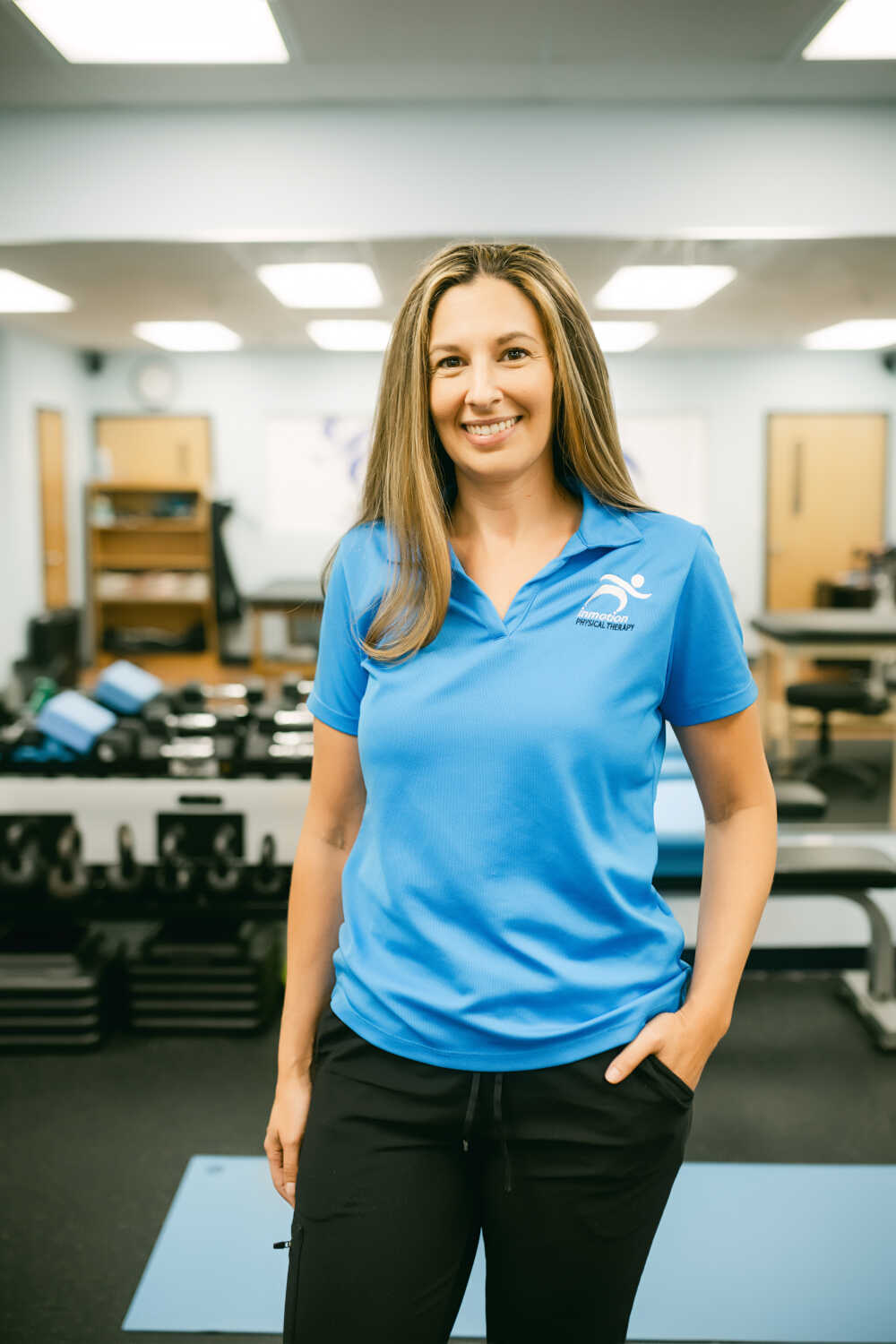
Laura Sommer has been practicing as a Physical Therapist since 2011. She graduated from Northeastern University, where she was a member of the Women’s Soccer Team. Laura is the owner of In Motion Physical Therapy located in Farmingdale, NY.