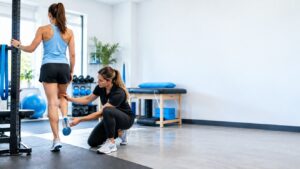
Assisted stretching improves muscle power, reduces joint pain, and helps your body recover faster from training. Research shows the biggest benefits come when you save deep stretching for after your workout, not before competition. At In Motion Physical Therapy in Farmingdale, NY, our assisted stretching programs are designed by physical therapists and delivered by trained Stretch Coaches to help athletes of all ages move better and stay in the game.
The Benefits of Assisted Stretching: What Every Athlete Should Know
You’ve probably been told to stretch your whole athletic life.
Before practice. Before a game. After a long run. It’s one of those things that gets drilled in early and rarely questioned.
But here’s what most athletes don’t know: not all stretching is created equal, and timing matters more than most people realize.
Whether you’re a high school athlete trying to stay healthy through your season or a marathon runner who’s noticed you’re not moving the way you used to, understanding the real benefits of assisted stretching can change how you train and how long you compete.
Let’s break it down.
What Is Assisted Stretching?
Assisted stretching is exactly what it sounds like. Instead of stretching on your own, you have a trained partner, a strap, or a physical therapist guide your body through a fuller range of motion than you could reach alone.
It can look like a PT helping you work through a tight hip flexor, a coach using a strap to extend your hamstring stretch, or a Stretch Coach taking you through a full-body session.
The goal is simple: get more out of every stretch so your body can actually adapt and improve.
The Benefits of Assisted Stretching Go Beyond Just Feeling Loose
Most athletes think of stretching as a way to “loosen up.” But the research tells a different story. The benefits of assisted stretching touch every part of how your body performs and recovers.
It Makes You More Powerful
This one surprises a lot of athletes. Stretching isn’t just a recovery tool – it’s a performance tool.
Assisted stretching helps muscle tissue become more flexible, which actually allows your muscles to produce more power. More power means more force when you jump, sprint, or push off the ground during a race.
If you’ve been skipping your flexibility work because you think it’s “just for cool down,” you may be leaving real performance gains on the table.
It Reduces Joint Pain
If your knees, hips, or ankles tend to ache after training, assisted stretching can help with that too.
When you take a joint through its full range of motion consistently, your body responds by producing more synovial fluid – the natural lubricant that keeps joints moving smoothly. Think of it like oiling a rusty hinge. The more regularly you move it through its full range, the less friction and pain you’ll feel over time.
This is especially important for marathon runners and older adult athletes whose joints take a beating during high-mileage training.
It Decreases Stress and Physical Tension
Stress doesn’t just live in your head. It lives in your body.
Tight muscles in your neck, shoulders, hips, and chest are often places where physical and emotional tension get stored. Assisted stretching allows your body to move through that tension and release it. Athletes who stretch consistently often report better sleep, lower perceived stress, and a calmer nervous system – not just a looser body.
It Improves Flexibility
Our assisted stretching program is specifically designed to improve your flexibilty. With consistent sessions, your tissues adapt, your range of motion increases, and everyday movement (whether that’s your running stride, your swing, or getting up off the floor) starts to feel easier and more fluid.
And here’s where it gets even better for athletes: flexibility work and strength training are a powerful combination. When you pair regular assisted stretching with a strength program, you’re not just getting more range of motion — you’re building the strength to actually use it. That’s what turns flexibility gains into lasting performance improvements. If you’re already strength training, adding assisted stretching to your routine is one of the smartest things you can do to get more out of the work you’re already putting in.
It Helps Your Body Repair Its Own Tissue
Here’s something most athletes have never heard: stretching sends a signal to your body to reorganize and repair collagen, the structural “glue” in your connective tissue.
Regular stretching helps reduce inflammation and supports healthier tissue remodeling. For athletes who train hard and accumulate micro-damage over time, that’s a big deal. It’s one of the reasons consistent flexibility work can actually help slow down the “wear and tear” process as you age or compete.
The Timing Secret Most Athletes Get Wrong
Here’s the thing your warm-up routine might be getting wrong.
Deep static stretching right before a competition — holding a stretch for 30 to 60 seconds or more — has actually been shown to temporarily reduce muscle power output. Intense stretching before a game or race can make your muscles less explosive when you need them most.
The takeaway: save your serious flexibility work for after your workout or on a dedicated recovery day. Your warm-up should be dynamic — movement-based, not long holds.
This is a common mistake even experienced athletes make, and it’s one of the first things we address when athletes come in for a stretching session at In Motion.
Stack Your Recovery Tools for Even Better Results
Assisted stretching works great on its own. It works even better when you pair it with other recovery tools.
Combining stretching with tools like foam rolling or massage leads to greater range of motion gains and more significant reductions in muscle stiffness. If you’re already foam rolling before your sessions, keep it up — adding assisted stretching after creates a powerful one-two punch for recovery and performance.
Why Choose In Motion PT for Assisted Stretching in Farmingdale, NY
Not all stretching programs are built the same. The difference at In Motion Physical Therapy comes down to one thing: education level.
Our assisted stretching programs are designed by physical therapists who understand anatomy, injury prevention, and athletic performance at a clinical level. Every session is delivered by fully trained Stretch Coaches who know how to safely load and guide your tissues — not just put you in a general pose and hold it.
That combination means you’re getting PT-level knowledge in every session, whether you’re a high school athlete trying to protect your season or a runner working to stay mobile through your next training cycle.
Ready to experience the benefits of assisted stretching for yourself?
At In Motion Physical Therapy in Farmingdale, NY, we offer guided stretching as part of our sports and recovery programs. Our team is here to help you move better, feel better, and compete longer.
Book your free discovery call today and let’s build a plan for your body.
Frequently Asked Questions About Assisted Stretching
What are the benefits of assisted stretching vs. stretching alone?
Should I stretch before or after a workout?
How often should athletes do assisted stretching?
Can assisted stretching help with injury prevention?
Is assisted stretching good for older athletes and marathon runners?
Note: This blog post provides general information and should not be considered a substitute for professional medical advice. If you have any concerns or specific conditions, consult with your healthcare provider before making changes to your recovery routine.
References:
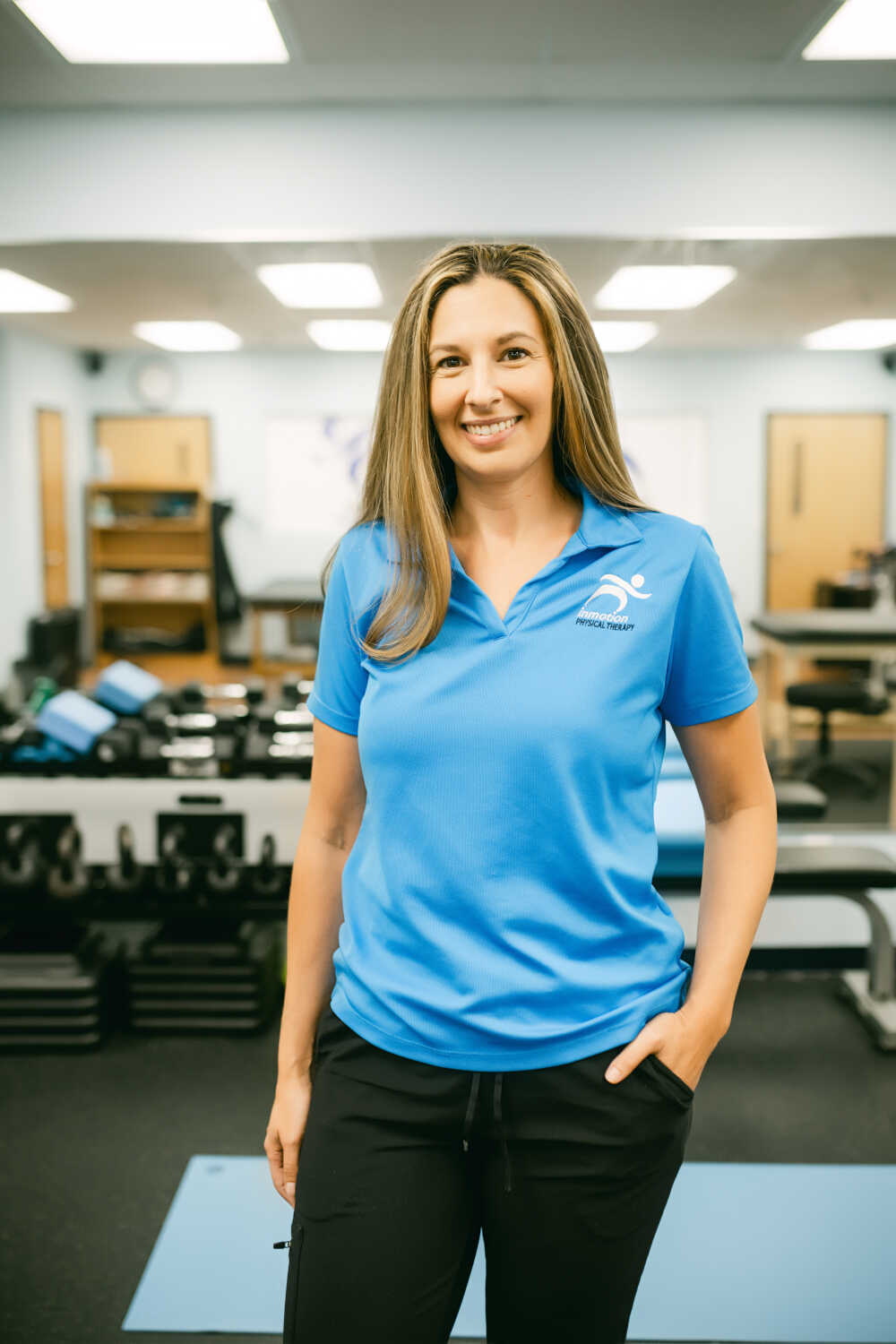
Laura Sommer has been practicing as a Physical Therapist since 2011. She graduated from Northeastern University, where she was a member of the Women’s Soccer Team. Laura is the owner of In Motion Physical Therapy located in Farmingdale, NY.