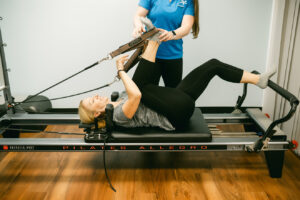
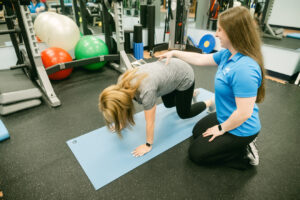
Most pitchers ice out of habit, but current sports science suggests it may actually slow recovery. Icing causes vasoconstriction, which reduces blood flow and delays the body’s natural muscle repair process. Research shows it can also temporarily reduce throwing accuracy by disrupting the brain-to-muscle signals that control proprioception.
→ Book a Discovery Call
Baseball Pitcher on Long Island? Don't settle for generic PT. At In Motion Physical Therapy in Farmingdale, NY, we specialize in getting competitive athletes back to 100%.
For decades, the post-game ritual for every pitcher—from Farmingdale Little League to the Major Leagues—was identical: high-fives, a post-game snack, and a massive bag of ice taped to the shoulder and elbow.
It was the “Gold Standard.” Arm sore? Ice it. End of story.
But as a Doctor of Physical Therapy who has worked with overhead athletes for over a decade, I’m here to tell you: the “bag of ice” era is ending. The question isn’t just should you ice your arm after pitching—it’s “Is that ice actually getting in the way of your recovery?” The research says it might be. And if you’re serious about protecting your arm for a long, healthy season, you need to know why.
At In Motion Physical Therapy, we work with pitchers and overhead athletes throughout Long Island. What follows is what we actually tell our athletes—not what’s been passed down from old-school coaches for 40 years.
The History of R.I.C.E. (And Why It’s Changing)
In 1978, Dr. Gabe Mirkin introduced the R.I.C.E. method—Rest, Ice, Compression, Elevation—and it became the bible of sports medicine almost overnight. The goal was simple: stop inflammation at all costs.
Here’s the problem. We now know that inflammation isn’t the enemy. It’s the first step of healing.
When you pitch, you create micro-trauma in your muscles and connective tissue. Your body responds by sending inflammatory cells to “clean up” the damage and kick off the repair process. That’s not a bug in the system—that’s the system working.
By icing, you essentially send the delivery truck home before it unloads its supplies.
Dr. Mirkin himself walked back his original recommendation in 2014, stating that ice may actually delay—not accelerate—healing. The sports medicine world is catching up. And if your athlete’s arm care plan is still anchored in 1978, it’s time for an upgrade.
What Pitching Actually Does to Your Arm
Before we talk recovery, let’s talk about why your arm feels the way it does after you throw.
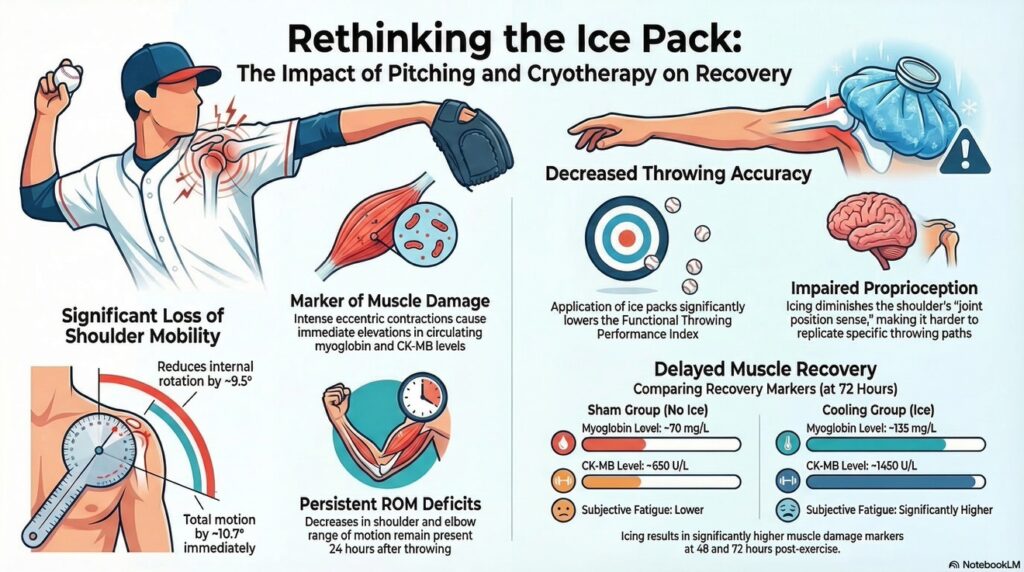
Research published in the American Journal of Sports Medicine found that after pitching, your shoulder and elbow lose measurable range of motion for at least 24 hours. Your posterior shoulder capsule tightens, your rotator cuff muscles fatigue, and your body is working overtime to manage the damage from decelerating your arm on every single pitch.
Think about that. Every throw you make, your arm reaches speeds of up to 7,000–8,000 degrees per second—and then your muscles slam on the brakes. Hundreds of times per outing.
That’s not soreness. That’s stress. And how you respond to that stress in the next 12–48 hours determines how fast you come back stronger.
Why “Ice is Out” for Post-Game Recovery
If you want to return to the mound faster, you need blood flow. Ice does the exact opposite—it causes vasoconstriction, meaning it narrows your blood vessels and reduces circulation to the area.
Here’s what current research is telling us:
Ice May Delay Muscle Repair
A 2013 study in the Journal of Strength and Conditioning Research followed baseball players after intense arm workouts. The players who iced showed more markers of muscle damage in their blood and reported greater fatigue three days later than the players who did not ice. Let that sink in: the group that iced felt worse longer.
Ice Can Make You Less Accurate
Research published in the Journal of Athletic Training found that just 20 minutes of icing the shoulder was enough to disrupt proprioception—your brain’s ability to sense where your arm is in space. The result? Reduced throwing accuracy.
If your pitcher is coming back into a game, or heading to bullpen work the next day, putting ice on their shoulder beforehand may actually put them at a mechanical disadvantage.
Ice Can Mask Real Problems
This one is often overlooked. Numbing a sore arm feels like a solution. But if a pitcher learns to “ice through” warning signs, they may ignore early signals of baseball elbow pain or ligament stress—the kinds of problems that don’t disappear with a bag of frozen peas.
The New Standard: PEACE & LOVE
At In Motion Physical Therapy, we’ve shifted our post-pitching protocol away from “ice it till it’s numb” and toward a framework called PEACE & LOVE:
- Protect – limit provocative movement in the first 24 hours
- Elevate – reduce pooling of fluid in the limb
- Avoid Anti-inflammatories – don’t suppress your body’s natural repair signals
- Compress – gentle compression for comfort
- Educate – understand why your body responds the way it does
- Load – progressive movement to promote tissue remodeling
- Optimism – mindset matters in recovery (seriously, the research backs this)
- Vascularization – increase heart rate and blood flow to “flush” the system
- Exercise – targeted, active recovery over passive rest
The key pillar here is Vascularization. We want to keep the blood moving—not shut it down.
What Pitchers Should Do Instead of Icing
So you’re ditching the ice bag. What do you do instead?
1. Active Recovery and Blood Flow
Skip the ice and do 10–15 minutes of light cardio after your outing—a brisk walk, a slow bike ride, or light elliptical work. This keeps your heart rate elevated just enough to flush metabolic waste products out of your arm without adding more stress to the tissue.
A 2003 study in the Journal of Sports Medicine and Physical Fitness found that gentle shoulder movement after pitching helped athletes recover range of motion faster than ice alone. Move the arm. Don’t park it.
2. Prioritize Scapular Stability
Here’s something most coaches never talk about: if a pitcher’s shoulder blade isn’t moving correctly, the rotator cuff compensates—and absorbs more stress on every throw. That’s a big reason pitchers feel like they need to ice.
Incorporating scapula workouts for baseball into your weekly routine doesn’t just help recovery—it reduces the post-game soreness that leads pitchers to reach for ice in the first place.
3. Build Your Arm Capacity Before the Season Starts
The single best recovery strategy is preparation. Following a comprehensive baseball arm care pre-season training guide ensures your arm has the tissue capacity to handle full-season workloads without breaking down.
Recovery isn’t just what you do in the hour after a game. It starts in November.
When Should You Actually Use Ice?
Ice isn’t illegal—it’s just a tool that’s been overused. There are still appropriate scenarios:
Acute, Traumatic Injury
If your pitcher heard or felt a “pop” or “snap”, has immediate and significant swelling, or cannot move the arm normally, that is an emergency situation. Ice is appropriate here—along with an immediate evaluation.
Severe Pain Management
If pain is high enough that a pitcher can’t sleep or function, a short 10-minute ice application can provide comfort. Just understand you’re treating the symptom, not the problem.
What ice will not fix: persistent baseball elbow pain, “zingers” shooting down the arm, or numbness and tingling in the hand. Those are signs of an underlying issue that needs to be evaluated—not iced.
Should I Ice My Arm After Pitching? FAQ
Should I ice my arm after pitching if it's sore?
How long does arm soreness last after pitching?
What is the best arm care routine after pitching?
Stop Guessing With Your Arm Care
Whether you’re a high school prospect or a collegiate pitcher, your arm is your most valuable asset. Don’t let outdated, old-school methods hold you back from your best performance—or worse, lead to an injury that sidelines you for months.
The science is shifting. The athletes who thrive are the ones who understand why their bodies respond the way they do—and who have a team in their corner that’s keeping up with the research.
At In Motion Physical Therapy in Farmingdale, NY, we specialize in working with overhead athletes to build power, speed, and—most importantly—longevity. We’re not just here when something goes wrong. We’re here to make sure it doesn’t.
Ready to build a more resilient arm? Book your Overhead Athlete Evaluation at In Motion PT today →
Next on your Reading List:
-
Scapula Workouts for Baseball Players: Physical Therapist-Approved Exercises to Keep Your Arm Healthy All Season
-
Baseball Arm Care: Pre-Season Training Guide for Pitchers and Players
-
Baseball Elbow Pain: Explore The Best Treatments
-
Keep Your Arm Healthy: The Ultimate Physical Therapist’s Guide to Pitcher Shoulder Stretches
-
The Ultimate Post Pitching Arm Care Routine
Note: This blog post provides general information and should not be considered a substitute for professional medical advice. If you have any concerns or specific conditions, consult with your healthcare provider before making changes to your recovery routine.
References
- Reinold MM, Wilk KE, Macrina LC, Sheheane C, Dun S, Fleisig GS, Crenshaw K, Andrews JR. Changes in shoulder and elbow passive range of motion after pitching in professional baseball players. American Journal of Sports Medicine. 2008;36(3):523–527. 🔗 View on SAGE Journals
- Wassinger CA, Myers JB, Gatti JM, Conley KM, Lephart SM. Proprioception and throwing accuracy in the dominant shoulder after cryotherapy. Journal of Athletic Training. 2007;42(1):84–89. 🔗 View Full Text on PubMed Central (Free)
- Tseng C-Y, Lee J-P, Tsai Y-S, Lee S-D, Kao C-L, Liu T-C, Lai C-H, Harris MB, Kuo C-H. Topical cooling (icing) delays recovery from eccentric exercise–induced muscle damage. Journal of Strength and Conditioning Research. 2013;27(5):1354–1361. 🔗 View on LWW/NSCA Journal
- Yanagisawa O, Miyanaga Y, Shiraki H, Shimojo H. The effects of various therapeutic measures on shoulder strength and muscle soreness after baseball pitching. Journal of Sports Medicine and Physical Fitness. 2003;43(2):189–201. 🔗 View on PubMed
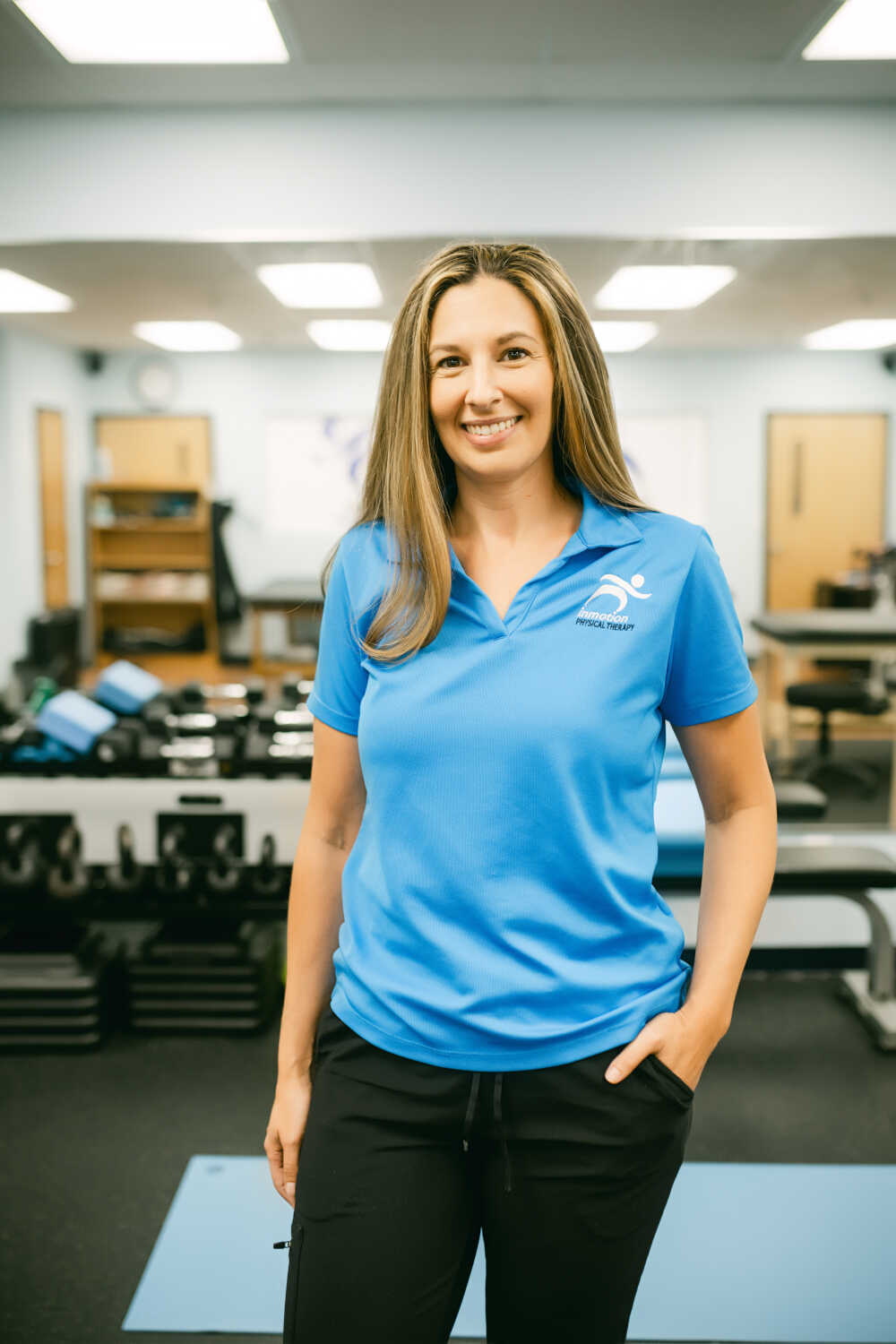
Laura Sommer has been practicing as a Physical Therapist since 2011. She graduated from Northeastern University, where she was a member of the Women’s Soccer Team. Laura is the owner of In Motion Physical Therapy located in Farmingdale, NY.