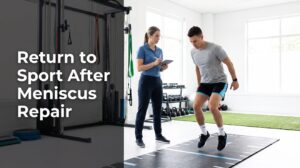
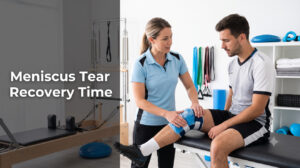
For competitive youth and high school athletes in Farmingdale and across Long Island, an injury can feel like a major setback. The path back to sport is not just about the exercises you do — it is also about the model of care you choose.
Understanding the difference between traditional insurance-based physical therapy and direct care physical therapy can significantly shape your recovery, your performance, and how quickly and confidently you return to competition. This guide breaks down both options so you and your family can make the most informed decision.
How the Traditional Insurance-Based Physical Therapy Model Works
In the conventional insurance-based model, your care runs through a third-party payer. While this approach is widely available and familiar to most families, it operates within a structure that does not always align with the intensive, individualized demands of a competitive athlete.
Here is what that structure often looks like in practice:
- Many clinics require a physician referral before your first appointment, which can delay care when time is critical.
- Session length and frequency may be influenced by external administrative guidelines rather than your clinical needs.
- Higher patient volume can reduce the amount of direct, hands-on time you spend with a licensed physical therapist.
- Aides or assistants sometimes supervise portions of treatment, meaning you may not always receive expert-level guidance throughout the full session.
- Advanced performance testing and sport-specific progressions are not always prioritized within this model.
For a recreational patient managing a mild sprain, this structure may be sufficient. For a competitive athlete with a more complex injury and a clear performance goal, it often falls short.
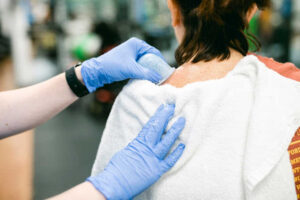
What Makes the Direct Care Physical Therapy Model Different
Direct care physical therapy — sometimes referred to as cash-pay or out-of-network PT — removes third-party influence from the clinical decision-making process. Your care is structured entirely around your body, your injury, and your goals.
Key advantages of this model include:
- Direct access to care: In New York State, you can begin physical therapy without a physician referral for up to 10 visits or 30 days, allowing for faster intervention when it matters most.
- True one-on-one sessions: Every minute of your appointment is spent working directly with a Doctor of Physical Therapy — no aides, no hand-offs, no unsupervised exercise time.
- Individualized treatment plans: Your program is built specifically around your sport, your movement patterns, and your injury — not a generic protocol.
- Clinical freedom: Therapists can use the tools, techniques, and session formats that best serve your recovery without external restrictions.
- Objective performance tracking: Advanced assessments and testing can be integrated into your care from day one.
For athletes who need specialized, high-level rehabilitation, the direct care model creates the conditions for better outcomes.
Why Specialized Performance & Pilates Physical Therapy Matters for Athletes
Generic physical therapy can help you feel better. Specialized performance physical therapy helps you come back stronger, more resilient, and better prepared for the demands of your sport. For youth and competitive athletes dealing with overuse injuries, sports-specific pain, or post-surgical recovery, that distinction matters enormously.
The In Motion Physical Therapy Difference
At In Motion Physical Therapy, every element of care is designed with the competitive athlete in mind.
- Athlete-centered expertise: The clinic treats athletes as serious competitors, not patients to be managed — bringing a performance-first mindset to every session.
- Evidence-based protocols: Treatment strategies are grounded in current research and challenge outdated approaches. If you have been told to simply rest a tendon injury, the science says otherwise.
- Integrated Reformer Pilates: The clinic’s in-house Reformer Pilates studio is used therapeutically to build core stability, hip strength, and sport-specific movement patterns — an approach that is uncommon in traditional PT settings and highly effective for athletic rehabilitation.
- Objective biomechanical assessment: Functional movement assessments and isokinetic dynamometer testing identify hidden weaknesses in the movement chain before they become bigger problems.
- Return-to-sport progressions: Clearance to play is based on objective criteria — including return-to-sport testing, strength symmetry benchmarks, and balance assessments — not simply how you feel.
- Advanced recovery modalities: Tools such as IASTM/Graston, blood flow restriction (BFR) training, cupping, compression therapy, and electrical stimulation are incorporated to accelerate tissue recovery for athletes training through treatment.
Explore the full range of services offered at In Motion Physical Therapy to see how each modality fits into a comprehensive, athlete-centered plan.
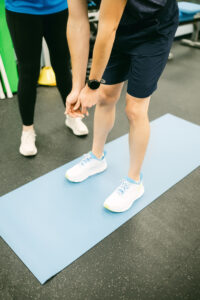
How to Choose the Right Model for Your Situation
The right choice depends on your injury, your goals, and what you value most in a provider. Here are some factors worth considering:
- If consistent one-on-one attention is a priority: The direct care model is built around it. You will always work directly with a Doctor of Physical Therapy, every session.
- If you need fast access to care: Direct care eliminates the wait for referrals and pre-authorization, which can be critical in the early stages of injury.
- If your injury is complex or sport-specific: Athletes dealing with ACL injuries, Achilles tendinopathy, hip impingement, rotator cuff issues, or overuse conditions benefit most from a provider who specializes in exactly these areas.
- If you want data, not guesswork: Objective testing through movement screens, return-to-sport assessments, and Titleist Performance Institute (TPI) testing give you a clear, measurable picture of your progress.
- If surgery has been recommended: Prehabilitation programs at a specialized clinic can improve surgical outcomes and accelerate post-operative recovery.
Learn more about the team and philosophy behind In Motion Physical Therapy to see whether this approach is the right fit for your athlete.
Make the Right Call for Your Athletic Future
Both care models have a place in the healthcare landscape. But for competitive youth and high school athletes in Farmingdale and across Long Island, the direct care model — especially within a performance-focused physical therapy clinic — offers meaningful advantages that can shape long-term outcomes.
Choosing the right physical therapy provider is one of the most important decisions you can make after an injury. Ask the right questions, understand the structure of care, and prioritize a model that puts your performance goals first.
If you are ready to experience what truly athlete-centered, one-on-one performance and Pilates physical therapy looks like, reach out to In Motion Physical Therapy today and take the first step toward a stronger, more confident return to sport.
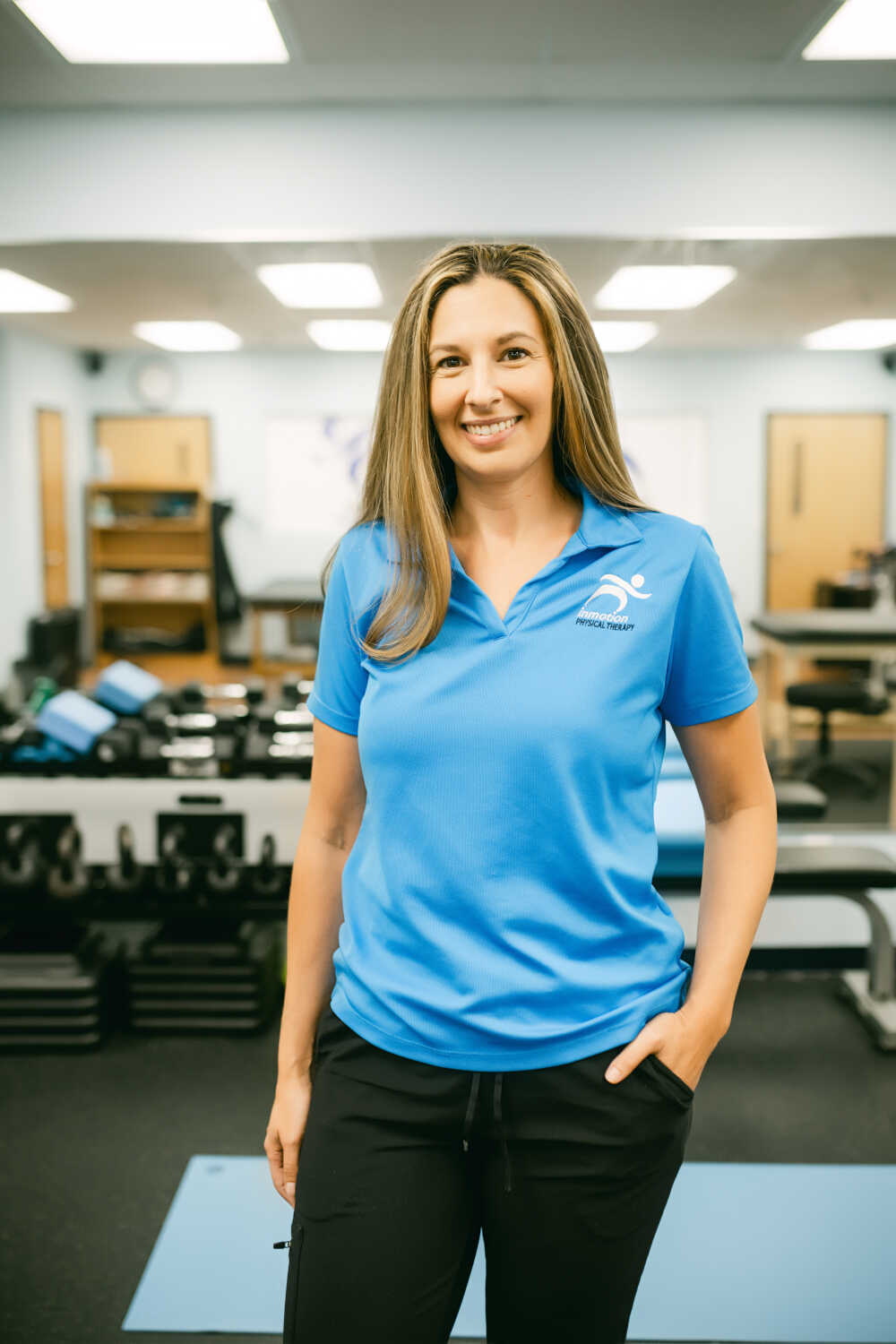
Laura Sommer has been practicing as a Physical Therapist since 2011. She graduated from Northeastern University, where she was a member of the Women’s Soccer Team. Laura is the owner of In Motion Physical Therapy located in Farmingdale, NY.