As a former Division I soccer player and Doctor of Physical Therapy, I’ve been on both sides of preseason training — feeling the exhaustion as an athlete and now watching it from the sidelines as I treat young athletes. Here’s what I tell every athlete and parent who walks through our doors: preseason recovery isn’t optional, it’s your competitive advantage.
Why Recovery Is Your Secret Weapon This Preseason
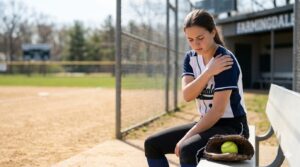
Here’s a scenario you probably recognize: It’s week two of preseason, your athlete comes home completely wiped out, barely able to climb the stairs. They’re moving slower, their usual energy is gone, and you’re starting to worry about burnout before the season even starts.
This scenario plays out across Long Island every August and September. High school athletes are pushing through longer practices, more intense scrimmages, and new strength training protocols. Without smart recovery strategies, this intensity becomes a recipe for fatigue, decreased performance, and increased injury risk.
But here’s the thing — and this is what most people get wrong — recovery isn’t just “taking time off.” It’s an active process that helps your athlete’s body adapt, repair, and come back stronger than before.
What the Research Tells Us About Teen Athletes and Recovery
Recent studies focused specifically on high school-aged athletes reveal some game-changing insights. Active recovery through light movement proves most beneficial for young athletes’ muscle recovery, showing superior results compared to methods like cold water immersion or static stretching that many teams still rely on.
In studies of youth athletes, low-intensity active recovery (think 5-10 minutes of cycling or light jogging post-exercise) actually lowered creatine kinase levels — a key marker of muscle damage — and appeared to reduce inflammation relative to passive recovery. Translation? Your athlete’s body repairs itself faster when they keep moving rather than just plopping on the couch.
What really surprised me when reviewing this research? Cold water immersion, despite all the hype, produced only small subjective benefits and trivial physiological changes in adolescents. Meanwhile, contrast water therapy showed no clear advantage and sometimes resulted in small performance decrements.
The Big 3 Recovery Pillars That Actually Move the Needle
1. Active Recovery — Your Athletes Are Already Doing It (They Just Don’t Know It)
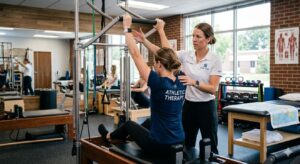
When I work with athletes, they often think recovery means sitting still. WRONG. The research is crystal clear: low-intensity movement (like Pilates) after training sessions reduces muscle damage and inflammation better than complete rest.
Here’s what actually works:
- Light jogging or walking for 5-10 minutes post-practice (this alone can significantly improve muscle recovery)
- Dynamic mobility work like hip circles, arm swings, and gentle leg swings
- Low-impact activities such as Pilates or Yoga
Why this works so well: Active recovery keeps blood flowing to muscles, helping flush out metabolic waste products while maintaining mobility. Think of it as giving your body a gentle reset rather than an abrupt stop.
2. Sleep — The Non-Negotiable Performance Multiplier
As a parent, you probably already know sleep matters, but let me explain why it’s absolutely critical during preseason. Teen athletes need 8-10 hours per night for optimal recovery — this isn’t a suggestion, it’s a physiological requirement.
During sleep, three critical things happen:
- Muscle repair and growth occurs most efficiently
- Growth hormone release peaks (essential for young athletes)
- Memory consolidation helps athletes retain new skills and game strategies
Parent insider tip: The hour before bed is when you can make the biggest impact. Support a consistent bedtime routine, create a screen-free wind-down period (I know, I know- it’s almost impossible but TRY), and encourage calming activities like light stretching or reading. Your athlete’s body will thank you with better performance and fewer sick days.
3. Compression Garments — The Effortless Recovery Tool
This might surprise you, but compression garments can be as effective as active recovery for creatine kinase clearance in adults, and they’re completely safe for teens. What I love about compression gear is that it requires zero extra time — athletes can wear them post-practice, or during homework.
For an even more time-effective approach, our Normatec Compression Recovery Boots, help speed up recovery.
The research shows compression helps with muscle recovery, and from a practical standpoint, it’s perfect for busy high school athletes who are juggling sports, academics, and social commitments.
What Doesn't Work (And Why You Can Stop Worrying About Ice Baths)
Let me save you some time and money by sharing what the research says about popular recovery methods that don’t deliver:
Cold Water Immersion: Despite all the social media hype, studies show it offers minimal performance benefits for teen athletes. It might help with perceived soreness, but the physiological benefits are trivial.
Contrast Water Therapy: Logistically complex with no proven advantage over simpler methods. Save yourself the hassle.
Static Stretching as Primary Recovery: Fine as an add-on, but research consistently shows it’s not effective as a standalone recovery strategy.
Passive Rest: The least effective recovery method across all studies. Your athlete’s body recovers faster when it keeps moving.
7 Game-Changing Recovery Strategies for Preseason Success
For Athletes:
- Master the Post-Practice Cool-Down Every single training session should end with 5-10 minutes of light movement and dynamic stretching. This isn’t optional — it’s as important as warming up. Light jogging, walking, or mobility work will help your body start the recovery process immediately.
- Fuel Your Recovery Within 30 minutes of finishing practice, prioritize hydration and a protein + carb snack. Your muscles are most receptive to nutrients during this window.
- Treat Sleep Like Training Aim for 8-10 hours each night, especially before competition days. Your performance tomorrow is determined by your sleep tonight.
- Use Compression Strategically Wear lower-body compression garments after intense practices or games. The research supports their effectiveness, and they’re incredibly convenient. OR visit us at In Motion Physical Therapy to use the Normatec Recovery Boots.
- Embrace Active Rest Days Pilates, Light swimming, yoga, or family walks keep your body moving without adding training stress. These days are when adaptation actually happens.
For Parents:
- Engineer the Sleep Environment Cool, dark, quiet rooms help teens fall asleep faster and stay asleep longer. This is one of the highest-impact changes you can make.
- Model Recovery Habits Join your athlete for a post-dinner walk or evening stretch session. When recovery becomes a family value, athletes are more likely to prioritize it.
Your Preseason Recovery Action Plan
Post-Practice Protocol:
- 5-10 minutes of light movement (non-negotiable)
- Immediate hydration and refueling
- Consider compression gear for intense training days
Evening Routine:
- Device-free wind-down starting 1 hour before bed
- Consistent bedtime, even on weekends
- Create a calming environment
Weekly Planning:
- Schedule at least one active rest day
- Regular check-ins about soreness and fatigue levels
- Adjust training intensity based on recovery feedback
Tracking Recovery: Use a simple 1-10 soreness scale daily. If scores consistently stay above 6-7, it’s time to emphasize recovery or consult with a sports medicine professional.
The Bottom Line: Recovery Is Where Champions Are Made
Here’s what I want every athlete and parent to understand: smart recovery isn’t about fancy equipment or expensive treatments. The research is clear — for high school athletes, the winning formula combines consistent active movement, quality sleep, and small daily habits that keep the body primed for performance.
As someone who has spent over a decade helping athletes get back to their sports, I can tell you that the athletes who prioritize recovery are the ones who stay healthy, perform consistently, and extend their athletic careers. They’re not just surviving preseason — they’re using it as a launching pad for their best season yet.
Your athlete’s comeback story doesn’t start when they’re injured — it starts with the recovery habits they build today. At In Motion Physical Therapy, we’ve seen firsthand how the right recovery approach can transform an athlete’s performance and confidence. Whether you’re dealing with lingering soreness or want to prevent issues before they start, we’re here to help your athlete stay in motion all season long.
Ready to take your recovery game to the next level? Let’s work together to keep your athlete performing at their best.
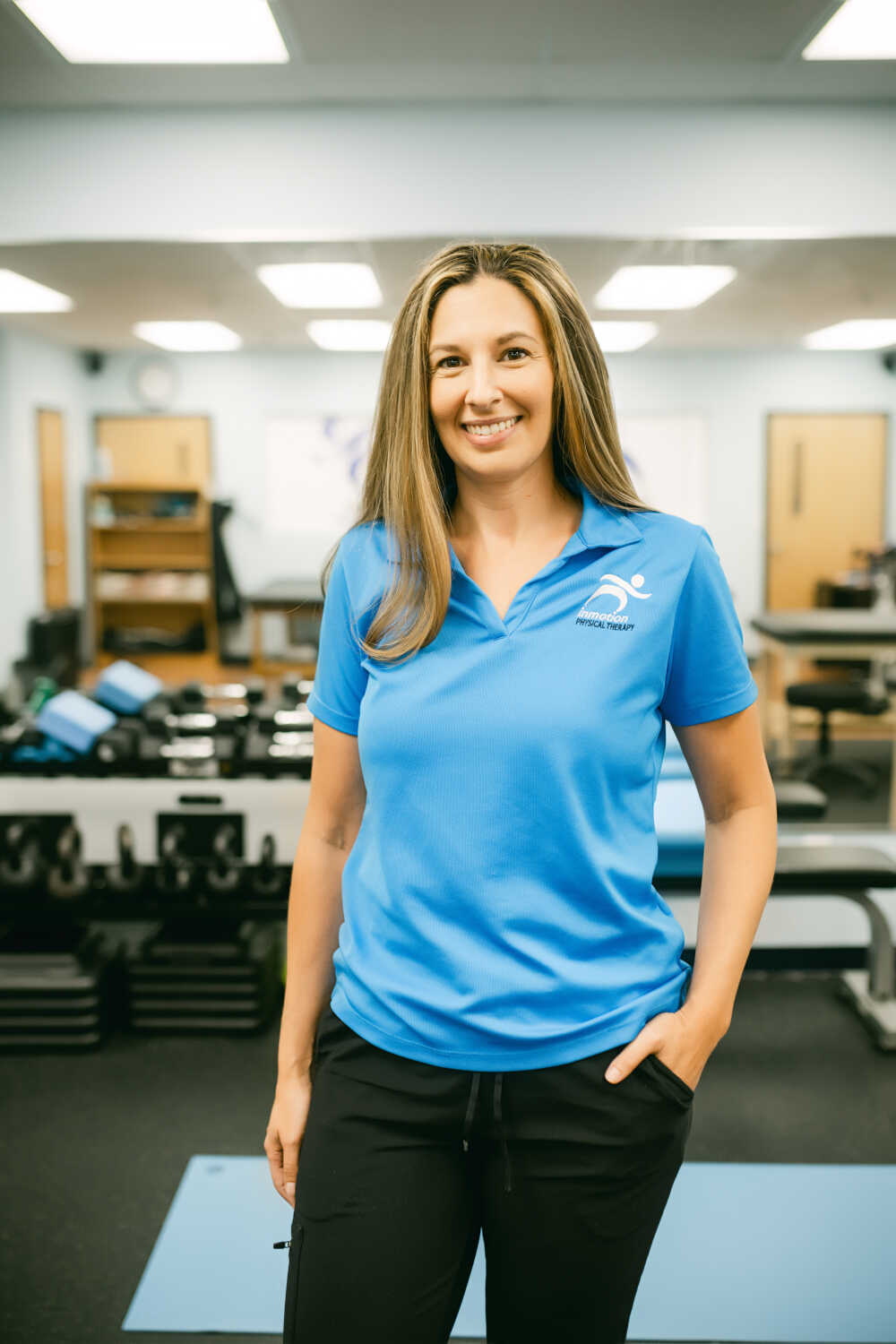
Laura Sommer has been practicing as a Physical Therapist since 2011. She graduated from Northeastern University, where she was a member of the Women’s Soccer Team. Laura is the owner of In Motion Physical Therapy located in Farmingdale, NY.