Introduction
Is in-season strength training safe for athletes? As a former Division I soccer player and Doctor of Physical Therapy, I get this question from concerned parents ALL THE TIME. The short answer is yes—in-season strength training is not only safe, it’s absolutely essential for competitive athletes.
Here’s what many people don’t realize: without proper strength maintenance during the season, athletes begin losing power, control, and injury resilience within just 2-3 weeks. I’ve seen too many talented athletes get sidelined mid-season because they thought they could “just focus on their sport” without maintaining their strength foundation.
At In Motion Physical Therapy, we work with athletes near Farmingdale, and patients travel from all over Long Island to get the best treatment for sports injuries and performance optimization.
In my decade of treating competitive athletes, the ones who maintain smart strength training throughout their season consistently outperform and stay healthier than those who don’t.
Why In-Season Strength Training Works for Athletes
Prevents Common Sports Injuries
The biggest benefit of in-season strength training? Injury prevention. Research consistently shows that athletes who maintain neuromuscular training throughout their season have significantly lower injury rates.
A 2020 study on youth soccer players found that just 20 minutes of targeted strength work, three times per week, resulted in zero injuries over an 8-week competitive period. The athletes also showed improved core strength, balance, and hamstring control—all critical factors in preventing ACL tears and muscle strains.
Think about it this way: your sport demands repetitive movements from your body week after week. Without addressing muscle imbalances and maintaining strength, you’re creating the perfect storm for overuse injuries.
Maintains and Improves Strength Throughout the Season
Contrary to popular belief, athletes don’t need to choose between strength and sport performance. Multiple studies on professional soccer and handball players show that proper in-season training actually improves power, speed, and strength while maintaining aerobic capacity.
In one study, professional soccer players following a simple twice-weekly strength program saw significant improvements in sprint times—with no decline in match performance. The key? Smart programming that works with, not against, their competition schedule.
Enhances Performance When It Matters Most
Here’s what I see in at In Motion Physical Therapy: athletes who skip strength training during the season often experience performance plateaus or even decline as the season progresses. Meanwhile, those who maintain targeted strength work continue improving throughout their competitive season.
The research backs this up. Elite handball players who followed explosive strength training twice weekly showed gains in jump height, sprint performance, and maximum strength throughout their entire season.
Reduces Fatigue and Improves Recovery
Smart in-season training actually helps athletes recover faster between games and practices. By addressing movement quality, core stability, and muscle imbalances, athletes can handle their sport demands more efficiently.
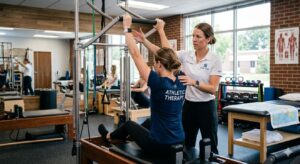
We use Reformer Pilates with our in-season athletes because it provides controlled strengthening without joint stress. Athletes consistently report feeling more controlled in their movements and less fatigued after implementing this approach.
Builds Movement Confidence
When athletes maintain their strength and movement quality throughout the season, they feel more confident executing skills under pressure. This psychological benefit often translates directly to improved performance when it matters most.
In-Season Strength Training FAQ
Get answers to common questions about in-season strength training for athletes.
How Often Should Athletes Strength Train During the Season?
Most athletes benefit from 2-3 strength sessions per week during their competitive season. The key is timing these sessions around competition schedules—higher intensity work 2-3 days post-competition, lighter maintenance work 1-2 days before games.
At In Motion Physical Therapy in Farmingdale, we typically recommend 2 Weekly 30-45 minute sessions focusing on movement quality, core stability, and sport-specific injury prevention exercises.
Will Strength Training Make My Athlete Too Sore for Games?
Properly programmed in-season training should not cause soreness that affects game performance. If your athlete is experiencing significant soreness from strength work, the program intensity needs to be adjusted.
We focus on controlled movements, resistance bands, concentric strength exercises, and Reformer Pilates to maintain strength without the recovery demands of heavy lifting.
What Types of Exercises Are Best for In-Season Training?
The best in-season exercises focus on movement quality, core stability, and injury prevention. This includes:
We avoid heavy eccentric exercises and instead emphasize controlled, functional movements that directly transfer to sport performance.
When Should Athletes Avoid In-Season Strength Training?
Athletes should modify or pause strength training if they’re showing signs of overreaching or excessive fatigue. Warning signs include declining performance, persistent soreness, mood changes, or increased injury susceptibility.
This is why working with experienced sports medicine professionals is crucial—we monitor training load and adjust programs based on each athlete’s response.
In-Season Strength Training for Athletes
In-season strength training is not only safe for athletes—it’s essential for maintaining performance and preventing injuries throughout the competitive season. The research is clear: athletes who maintain smart strength work during their season consistently outperform and stay healthier than those who don’t.
The key is working with professionals who understand how to balance training demands with competition schedules, ensuring your athlete gets stronger without compromising their sport performance.
If you’re looking for sports injury prevention and performance optimization and you’re located near Farmingdale, NY, we would love to help you at In Motion Physical Therapy. Our team of former collegiate athletes and Doctors of Physical Therapy specialize in keeping competitive athletes healthy and performing at their best. Book an appointment or learn more information by clicking here.
References:
- Panagoulis C, et al. J Strength Cond Res. 2020;34(2):516-526. doi: 10.1519/JSC.0000000000002938
- Hermassi S, et al. Sportverletz Sportschaden. 2017;31(3):167-173. doi: 10.1055/s-0043-103469
- Styles WJ, et al. J Strength Cond Res. 2016;30(6):1534-1539. doi: 10.1519/JSC.0000000000001243
- Suarez-Arrones L, et al. PLoS One. 2018;13(10):e0205332. doi: 10.1371/journal.pone.0205332
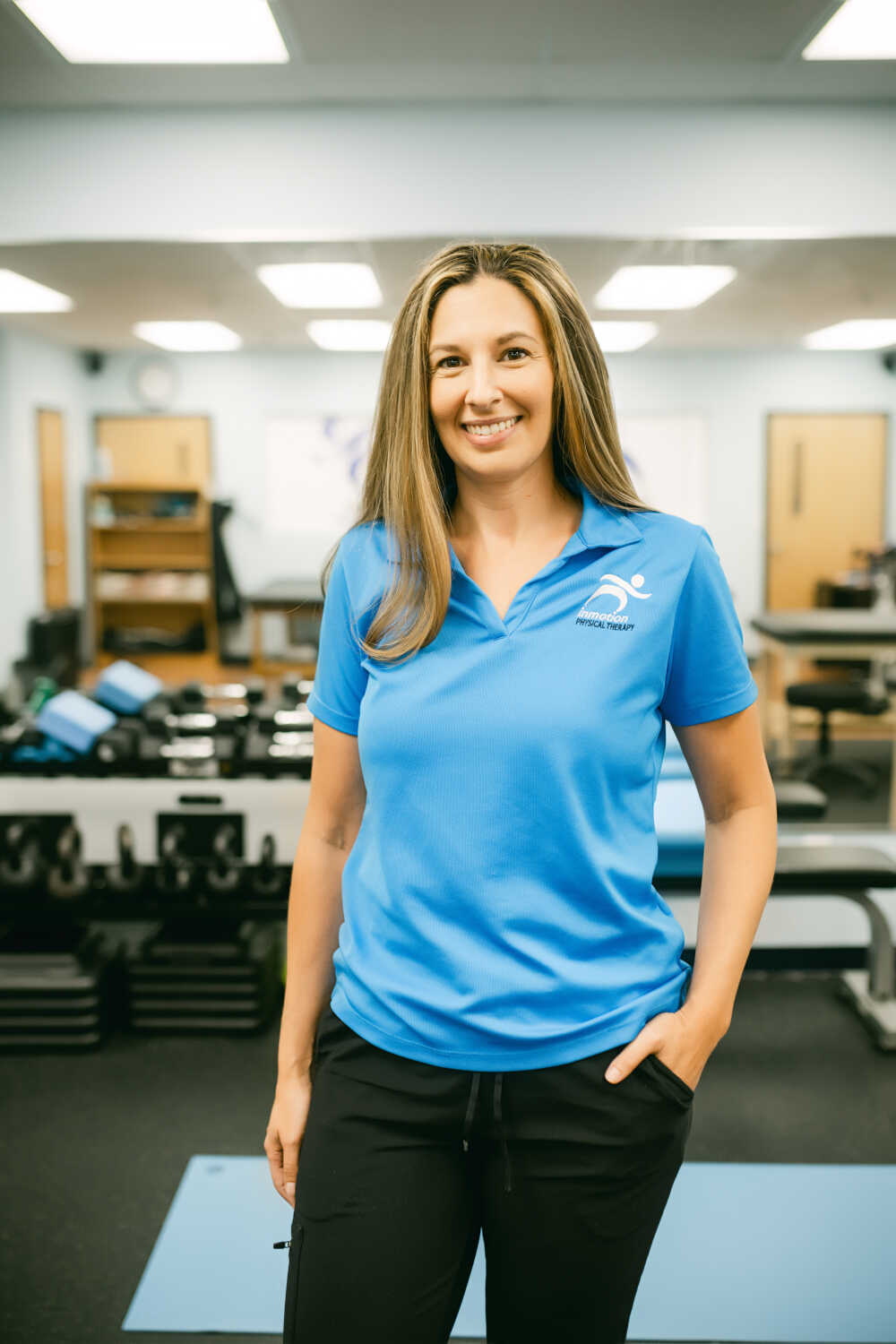
Laura Sommer has been practicing as a Physical Therapist since 2011. She graduated from Northeastern University, where she was a member of the Women’s Soccer Team. Laura is the owner of In Motion Physical Therapy located in Farmingdale, NY.