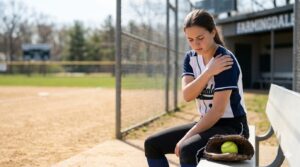
Heel pain shouldn’t be what sidelines your young athlete.
At In Motion Physical Therapy, we see this all the time — kids aged 8-15 who love soccer, gymnastics, lacrosse, or dance suddenly limping after practice and trying to “push through” the pain. That pain at the back of their heel? It’s often Sever’s disease — and with the right care, it’s completely treatable.
If you’re wondering Does Sever’s Disease Go Away?, you’re in the right place. This blog post will discuss how our team of Doctors of Physical Therapy helps young athletes recover safely, move confidently, and stay in motion.
What Is Sever’s Disease (Calcaneal Apophysitis)?
Sever’s disease is one of the most common causes of heel pain in growing athletes — usually between the ages of 8 and 15. It’s not a “disease” in the scary sense; it’s an overuse injury of the heel’s growth plate (where the Achilles tendon attaches).
When kids hit growth spurts, their bones often grow faster than their muscles can keep up. Add hours of running, jumping, and cleats that slam the heel into the ground, and you’ve got the perfect storm for irritation.
The result?
Sharp heel pain, stiffness, limping after games, and frustration when rest doesn’t seem to help.
What Causes Sever’s Disease in Young Athletes?
Sever’s disease develops when repetitive impact or tight muscles create traction and strain on the heel growth plate. Common triggers include:
- Frequent running and jumping (soccer, track, basketball, gymnastics)
- Tight calf or Achilles muscles from rapid growth (bones grow faster than the muscles can stretch to keep up)
- Hard surfaces or unsupportive shoes
- Overtraining without enough recovery time
Even though it sounds serious, this condition responds extremely well to early intervention and proper load management — which is where physical therapy makes all the difference.
How Physical Therapy Treats Sever’s Disease
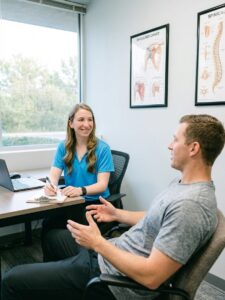
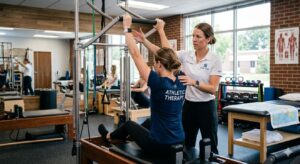
At In Motion PT, we don’t believe in cookie-cutter rehab. Every athlete’s body — and sport — demands a specific plan. Our Sever’s disease treatment focuses on relieving pain, restoring mobility, and preventing it from coming back once your athlete returns to play.
1. Stretching and Strengthening Programs
Tight calves and an overstressed Achilles are the usual suspects. We build mobility and strength where it matters most:
- Gentle calf and Achilles stretches to reduce heel tension
- Foot and ankle stability drills to support better mechanics
- Progressions for pain-free return to running and jumping
2. Manual Therapy and Soft Tissue Work
Hands-on techniques like massage, myofascial release, and joint mobilization help calm inflammation and improve flexibility. These techniques relieve pressure on the growth plate and speed up recovery.
3. Taping, Padding, and Orthotics
Heel cups, taping, and shoe modifications can provide immediate comfort and reduce impact. We’ll teach your athlete how to use these tools effectively during practices and games.
4. Modalities and Activity Modification
We use targeted tools — like ice, gentle loading, and recovery plans — to decrease inflammation and promote healing. Rather than total rest, we help athletes stay active through pain-free cross-training options.
5. Education and Prevention
Recovery doesn’t stop at pain relief. We teach both athletes and parents how to:
- Recognize early warning signs
- Improve warm-up and recovery habits
- Choose footwear that supports growing feet
Why Physical Therapy Works for Sever’s Disease
There’s no “quick fix” — but there is a smart one.
Research shows that conservative treatment, including physical therapy, stretching, and taping, is the most effective approach for Sever’s disease. Most athletes see major improvements within 4–8 weeks when therapy begins early.
Sever’s Disease FAQs
Does Sever’s Disease Go Away??
Most kids recover within 2 to 8 weeks with proper care. The key is consistency — stretching, rest, and gradual return-to-sport progression guided by a PT.
Should my child stop playing sports?
Not always. We help adjust their training schedule and modify activities so they stay active while healing. Full rest isn’t always necessary — smart recovery is.
Can Sever’s disease come back?
It can if tightness, overuse, or a growth spurt occurs again. Our PTs focus on prevention strategies to reduce flare-ups during growth spurts.
When should you see a physical therapist?
If heel pain lasts more than a week or your child starts limping, it’s time to get evaluated. Early treatment means faster recovery and fewer missed practices.
Sever’s Disease Treatment in Farmingdale, NY
If your child is struggling with heel pain or diagnosed with Sever’s disease, don’t wait for it to “go away.” At In Motion Physical Therapy in Farmingdale, we specialize in Sever’s disease treatment for young athletes using evidence-based physical therapy, hands-on care, and personalized rehab plans.
At In Motion PT, every session is one-on-one with a Doctor of Physical Therapy who understands the unique demands of youth sports. We design treatment plans that fit the athlete’s sport, growth stage, and competitive season — because we’ve been in their cleats before.
Our goal?
To help your athlete move pain-free, rebuild confidence, and return stronger than before. We strive to keep kids active, confident, and pain-free — without unnecessary downtime.
Curious about how our approach helps prevent injuries, too?
Check out our Sports Performance Training and Pilates for Athletes programs.
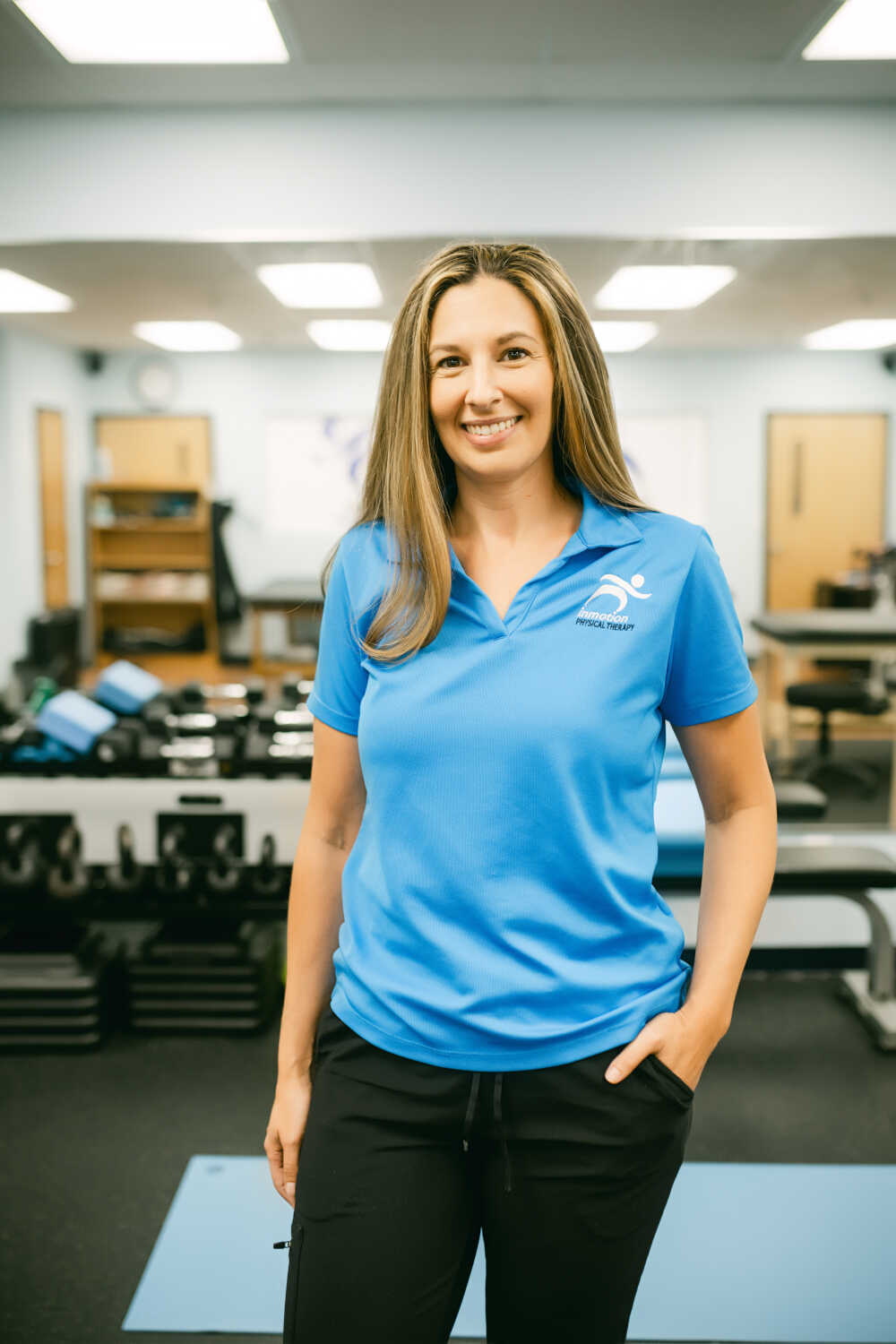
Laura Sommer has been practicing as a Physical Therapist since 2011. She graduated from Northeastern University, where she was a member of the Women’s Soccer Team. Laura is the owner of In Motion Physical Therapy located in Farmingdale, NY.