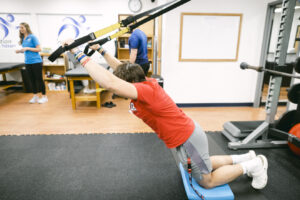
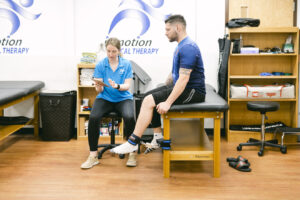
As a senior golfer, you know that a proper warm-up isn’t optional anymore – it’s essential. Whether you’re in your 50s, 60s, 70s, or beyond, these golf warm up exercises for seniors are designed specifically to address the unique mobility and flexibility needs of older golfers.
At In Motion Physical Therapy in Farmingdale, NY, we work with senior golfers every day who want to maintain their game, prevent injuries, and play pain-free. That’s why we’ve created this comprehensive warm-up routine that you can do anywhere – from your home to the first tee.
Why Golf Warm Up Exercises Are Critical for Senior Golfers
You wouldn’t think about skipping your morning coffee, right? Well, your body needs a proper warm-up even more before you hit the driving range. For senior golfers, warming up isn’t just about performance – it’s about injury prevention and longevity in the sport you love.
Studies show that golfers who warm up properly can increase their club head speed by up to 24% and their ball speed by 19%. That could be the difference between landing on the green or finding the bunker. But more importantly for older golfers, proper warm-up reduces injury risk by up to 40%, particularly for the back, shoulders, and elbows.
As physical therapists who work with senior golfers every day, we can’t stress this enough: 10-15 minutes of golf warm up exercises for seniors can save you weeks of pain and recovery time. Research shows that adults over 50 who maintain consistent warm-up routines experience significantly fewer golf-related injuries and play more rounds per year.
Looking to add distance while staying injury-free? Check out our guide on how to increase distance in golf with proven exercises and techniques.
Common Mobility Challenges for Senior Golfers
As we age, our bodies change, and so do our golf warm-up needs. Here are the most common mobility challenges we see in senior golfers at our Farmingdale practice:
Hip Stiffness: Reduced hip mobility can limit your rotation and lead to compensatory movements that strain your back. Many older golfers lose 20-30% of hip rotation by age 60, directly impacting swing mechanics.
Shoulder Flexibility: Decreased shoulder range of motion can shorten your backswing and reduce power. Age-related shoulder stiffness is one of the top causes of lost distance in senior golfers.
Balance Changes: Age-related balance changes can affect your stability throughout the swing, leading to inconsistent shots and increased fall risk.
Spinal Mobility: Stiffness in the thoracic spine (mid-back) limits rotation and puts extra stress on your lower back and neck. This is often the culprit behind lower back pain in golfers over 50.
Joint Discomfort: Arthritis or previous injuries can make it painful to get into proper golf positions, affecting everything from your stance to your follow-through.
The good news? Consistent golf warm up exercises for seniors can significantly improve all of these areas, helping you play better golf while reducing pain and injury risk. Our patients who dedicate just 10-15 minutes to proper warm-up report feeling more fluid, hitting farther, and playing pain-free well into their 70s and beyond.
8 Essential Golf Warm Up Exercises for Seniors
This routine is divided into two parts: gentle seated exercises you can do anywhere (at home, in your car at the course, or on a bench) and standing exercises to complete your preparation. Each exercise includes senior-specific modifications and safety considerations.
Part 1: Gentle Seated Warm-Up Exercises for Senior Golfers
1. Cat/Camel Stretch
How: Sit tall in a sturdy chair with your feet flat on the ground. Place your hands on your thighs for support. Slowly arch your back, lifting your chest and looking slightly upward (like a cat stretching). Then round your back, tucking your chin toward your chest (like a camel’s hump). Move slowly and smoothly between these positions.
Benefits: This gentle movement wakes up your core and promotes spinal mobility – crucial for older golfers who often experience stiffness after sitting or sleeping. Improved spinal mobility means better rotation and less strain on your lower back during your swing. This is one of the most important golf warm up exercises for seniors because it addresses the thoracic stiffness that commonly develops with age.
Senior Modification: If you have balance concerns, hold the armrests of your chair lightly. Start with smaller movements and gradually increase range as you warm up. If you have lower back pain, focus on gentle movements rather than maximum range.
Why This Matters for Seniors: As we age, spinal discs can become less flexible, and the muscles supporting our spine can tighten. This exercise helps maintain the mobility you need for a full golf swing without forcing your body into uncomfortable positions.
2. Seated Hamstring Stretch
How: While seated, extend one leg straight in front of you with your heel on the ground. Keep your other foot flat on the floor. Sit tall, then gently lean forward from your hips (not your lower back), reaching toward your toes. You should feel a comfortable stretch down the back of your extended thigh. Hold for 20-30 seconds, then switch legs.
Benefits: Tight hamstrings are extremely common in older golfers and can limit your ability to maintain proper posture at address and throughout your swing. This exercise improves flexibility for a fuller follow-through and helps prevent lower back compensation. Flexible hamstrings also reduce strain on your lower back during the golf swing.
Senior Modification: If you can’t reach your toes, that’s perfectly fine – just reach toward your shin or knee. You can also use a towel or strap around your foot to assist the stretch. Focus on feeling the stretch, not on how far you can reach.
Reps: Hold for 20-30 seconds each leg, repeat 2 times per leg
Why This Matters for Seniors: After years of sitting in cars, at desks, or watching TV, many seniors have chronically tight hamstrings. This affects golf posture and increases lower back stress. Regular stretching can restore flexibility and improve your entire swing mechanics.
3. Thoracic Rotations
How: Sit tall with good posture. Cross your arms over your chest (each hand touching the opposite shoulder). Keeping your hips facing forward and your lower body still, rotate your upper body to the right as far as comfortable, hold for 1-2 seconds, then rotate to the left. Move slowly and controlled, focusing on the twist in your mid-back.
Benefits: This increases your rotational mobility – the foundation of golf swing power. For senior golfers, thoracic spine stiffness is one of the biggest limitations. This exercise allows you to stay in good golf posture throughout the swing and focuses on separating upper and lower body movement for better swing mechanics and follow-through. Improved thoracic rotation also takes stress off your lower back and neck.
Senior Modification: If crossing your arms is uncomfortable, place your hands on your shoulders or simply rest them in your lap. Start with smaller rotations and gradually increase as you feel your back loosening up. You can also do this exercise with your back against a chair back for additional support.
Reps: 10-12 rotations each direction
Why This Matters for Seniors: The thoracic spine naturally becomes stiffer with age. Without adequate rotation here, your body compensates by overusing your lower back or shoulders, leading to injury. This is a crucial exercise for maintaining a powerful, pain-free golf swing as you age.
4. Shoulder External Rotation
How: Sit or stand with good posture. Bend your elbow to 90 degrees and keep it tucked against your side. Your forearm should be pointing forward. Now rotate your forearm outward (away from your body), keeping your elbow glued to your side. Return slowly to the starting position. You can use a very light resistance band or do this without resistance.
Benefits: This exercise strengthens the small but crucial rotator cuff muscles that stabilize your shoulder and allow you to get more turn during your backswing. For senior golfers, strong rotator cuffs are essential for preventing shoulder injuries and maintaining club control throughout the swing. Weak rotator cuffs are a leading cause of shoulder pain in older golfers.
Senior Modification: Do this exercise slowly without resistance at first. If you have shoulder pain or a history of rotator cuff issues, keep the movement small and gentle. Never force the movement or push through sharp pain.
Reps: 10-12 repetitions each arm
Why This Matters for Seniors: Rotator cuff weakness increases dramatically after age 50 and is a major cause of shoulder pain and injury in senior golfers. Strengthening these muscles is one of the best injury-prevention strategies you can employ.
5. Wrist Flexion/Extension Stretch
How: Extend your right arm straight in front of you with your palm facing down. Using your left hand, gently pull your right hand back (fingers pointing toward the ceiling) until you feel a stretch in your forearm. Hold for 15-20 seconds. Then point your fingers down toward the floor and gently pull until you feel a stretch on the top of your forearm. Hold for 15-20 seconds. Switch arms and repeat.
Benefits: This improves wrist mobility for better club control and feel. Flexible wrists are essential for proper club face control and generating club head speed. For senior golfers, maintaining wrist flexibility helps prevent tendonitis and allows for a more fluid, effortless swing.
Senior Modification: Use very gentle pressure – this should feel like a comfortable stretch, not painful. If you have arthritis in your hands or wrists, keep the stretches mild and focus on moving through the available range rather than pushing for more.
Reps: Hold 15-20 seconds in each direction, 2 times per arm
Why This Matters for Seniors: Wrist and hand stiffness commonly develop with age, especially in those with arthritis. Maintaining wrist flexibility helps you maintain your golf grip and prevents compensatory movements that can lead to elbow and shoulder problems.
Part 2: Standing Golf Warm-up Exercises for Seniors
Safety Note: For all standing exercises, have a sturdy support nearby (golf cart, wall, chair, or golf club planted in the ground) that you can use for balance if needed.
6. Hip Circles
How: Stand on one leg (use your golf club, a wall, or golf cart for balance). Lift your other knee to about hip height. Make slow, controlled circles with your knee – 5 circles forward, then 5 circles backward. The movement should come from your hip joint. Switch legs and repeat.
Benefits: This improves hip mobility and balance – both essential for a stable and powerful golf swing. For senior golfers, hip mobility often decreases significantly, limiting rotation and forcing compensation through the lower back. This exercise also challenges your balance, which is crucial for maintaining a consistent golf posture and preventing falls.
Senior Modification: Hold onto something sturdy for balance – there’s no shame in using support! If lifting your knee to hip height is challenging, keep it lower. Start with smaller circles and gradually increase size. If balance is very challenging, do this exercise while lightly touching a wall with both hands.
Reps: 5 circles each direction, per leg
Why This Matters for Seniors: Hip mobility and balance both decline naturally with age. This single exercise addresses both issues, making it one of the most valuable golf warm up exercises for seniors. Better hip mobility means more rotation without lower back stress.
7. Squats with Club
How: Hold your golf club across your shoulders behind your neck (like a yoke), or hold it in front of your chest vertically for balance. Stand with feet shoulder-width apart. Slowly lower yourself into a quarter squat (you don’t need to go deep), keeping your chest up and weight in your heels. Pause briefly at the bottom, then stand back up.
Benefits: This engages your legs and core – the true sources of power in your golf swing. Squats wake up your glutes and quads, which are essential for a stable base and generating power from the ground up. For senior golfers, maintaining leg strength is critical for balance, power, and endurance over 18 holes.
Senior Modification: Only squat as deep as comfortable – even a quarter squat is beneficial. Hold your club vertically in front of you for better balance if needed. You can also do this near a chair or golf cart for additional safety, or even place a chair behind you so you’re doing sit-to-stands. Quality of movement matters more than depth.
Reps: 8-10 slow, controlled squats
Why This Matters for Seniors: Leg strength declines rapidly after age 50, affecting balance, power, and stamina on the course. Regular squatting movements help maintain the leg strength you need to walk 18 holes and generate power from your lower body rather than overworking your arms and back.
8. Lunge with Rotation
How: Step forward with your right foot into a gentle lunge position (front knee bent, back knee straight). You don’t need to lunge deeply – a comfortable stride is perfect. Hold your golf club horizontally in front of your chest with both hands. Rotate your upper body over your right (front) leg, hold for 1-2 seconds, then rotate back to center. Step back to standing and repeat on the other side.
Benefits: This exercise mimics the golf swing motion and prepares your body for the real thing. It combines balance, leg strength, hip mobility, and rotational movement – everything you need for golf. This dynamic movement pattern allows for lower body stability while working on upper body rotational movement, exactly like your golf swing.
Senior Modification: Take a smaller step forward (mini-lunge) or skip the lunge entirely and just do the rotation while standing with feet shoulder-width apart. Use a wall or golf cart nearby for balance support if needed. Focus on the rotation more than the lunge depth. You can also hold your club vertically like a cane for better balance.
Reps: 6-8 lunges per side
Why This Matters for Seniors: This functional movement pattern integrates all the components of golf warm up exercises for seniors into one exercise. It’s the closest warm-up movement to actually swinging, preparing your nervous system and muscles for the golf-specific movements ahead.
Safety Tips for Senior Golfers
When performing these golf warm up exercises for seniors, keep these guidelines in mind:
Move at Your Own Pace: There’s no rush. Quality and safety matter far more than speed. These exercises should feel good, not stressful.
Respect Pain: Mild discomfort or a “stretch” sensation during exercises is normal and beneficial. However, sharp pain, burning pain, or pain that persists after stopping means stop immediately. The rule is: stretch, don’t strain.
Use Support When Needed: Don’t hesitate to use a chair, wall, golf cart, or golf club planted in the ground for balance during standing exercises. Using support doesn’t make the exercises less effective – it makes them safer and allows you to focus on the movement quality.
Stay Consistent: Daily practice, even for just 5-10 minutes, yields better results than occasional longer sessions. Consistency is especially important for senior golfers – your body will maintain better flexibility and mobility with regular practice.
Modify as Needed: Every body is different, and your capabilities may vary day to day. If an exercise doesn’t feel right, skip it or try a gentler version. Listen to your body – it’s the smartest coach you have.
Warm Up the Warm Up: On cold days or early morning rounds, do some light walking or marching in place for 2-3 minutes before starting these exercises. Cold muscles don’t stretch well and are more prone to injury.
Medical Considerations: If you have arthritis, osteoporosis, previous joint replacements, balance disorders, or any chronic conditions, consult with your physical therapist or doctor before starting a new exercise routine. We offer personalized golf warm-up programs that work with your specific medical history.
Putting It All Together: Your Complete Senior Golf Warm-Up Routine
Here’s how to make this work for you:
Before You Leave Home (Optional but Recommended): Start with the seated exercises about 30 minutes before you leave for the course. This is especially helpful for early morning tee times when your body is naturally stiffer. Aim for 5-10 repetitions of each seated exercise. Many of our Farmingdale patients do these while having morning coffee or watching the golf channel!
At the Course (Essential): Once you arrive at the course, spend 5-10 minutes running through both the seated and standing exercises. If you did the seated exercises at home, you can do a quick version at the course or skip directly to the standing exercises.
Progression: Start with 5-7 minutes if you’re new to warming up, then gradually increase to 10-15 minutes as your body adapts. The full routine should take no more than 15 minutes, but those minutes will pay enormous dividends on your scorecard and in how you feel during and after your round.
Frequency:
- Ideal: Do the seated exercises daily, even on non-golf days, to maintain flexibility
- Minimum: Do the complete routine before every round of golf
- Bonus: Light versions of these exercises can also help with post-round recovery and reducing soreness
Remember: these golf warm up exercises for seniors are designed to help you play better and feel better. If you want to increase distance in golf while staying injury-free, proper warm-up is your foundation.
Maintain Your Golf Game for Years to Come with Physical Therapy
While this warm-up routine is an excellent start and will benefit most senior golfers, every body is unique. That’s why at In Motion Physical Therapy in Farmingdale, we offer specialized Golf Performance evaluations specifically designed for older golfers.
Our comprehensive assessment looks at:
- Your current mobility and flexibility limitations
- Strength imbalances affecting your swing
- Balance and stability issues
- Previous injuries or pain patterns
- Age-related changes impacting your golf game
- Movement patterns that increase injury risk
We then create a personalized plan to address these specific issues, helping you play your best golf, pain-free, for years to come.
Our comprehensive assessment looks at your strength, flexibility, and movement patterns to identify any limitations that might be holding your game back. We then create a personalized plan to address these issues, helping you play your best golf, pain-free.
Meet Our TPI-Certified Expert
Dr. Sarah Conroy, our TPI-certified instructor and Doctor of Physical Therapy, specializes in helping senior golfers reach and maintain their full potential. With her deep understanding of the biomechanics of the golf swing, years of experience in physical therapy, and specific expertise in working with older adults, Dr. Sarah can identify the subtle issues that might be affecting your game.
Whether you’re looking to add yards to your drive, improve your accuracy, reduce pain, or simply enjoy golf well into your 70s, 80s, and beyond, Sarah has the expertise to guide you there. She understands that golf isn’t just a sport for seniors – it’s often a lifestyle, a social activity, and a source of joy and purpose.
Ready to Elevate Your Game?
Start your journey towards better, pain-free golf:
📞 Call us: (516) 659-1087
📧 Email: Admin@InMotionPTNY.com
📍 Location: 210 Sea Lane, Farmingdale, NY
Visit our Golf Performance page to learn more or schedule your evaluation today.
Keep up with the latest golf performance tips for senior golfers and learn more ways to improve your game by following us on Instagram and Facebook.
Let’s work together to keep you In Motion, on and off the course – for life!
Next on Your Reading List:
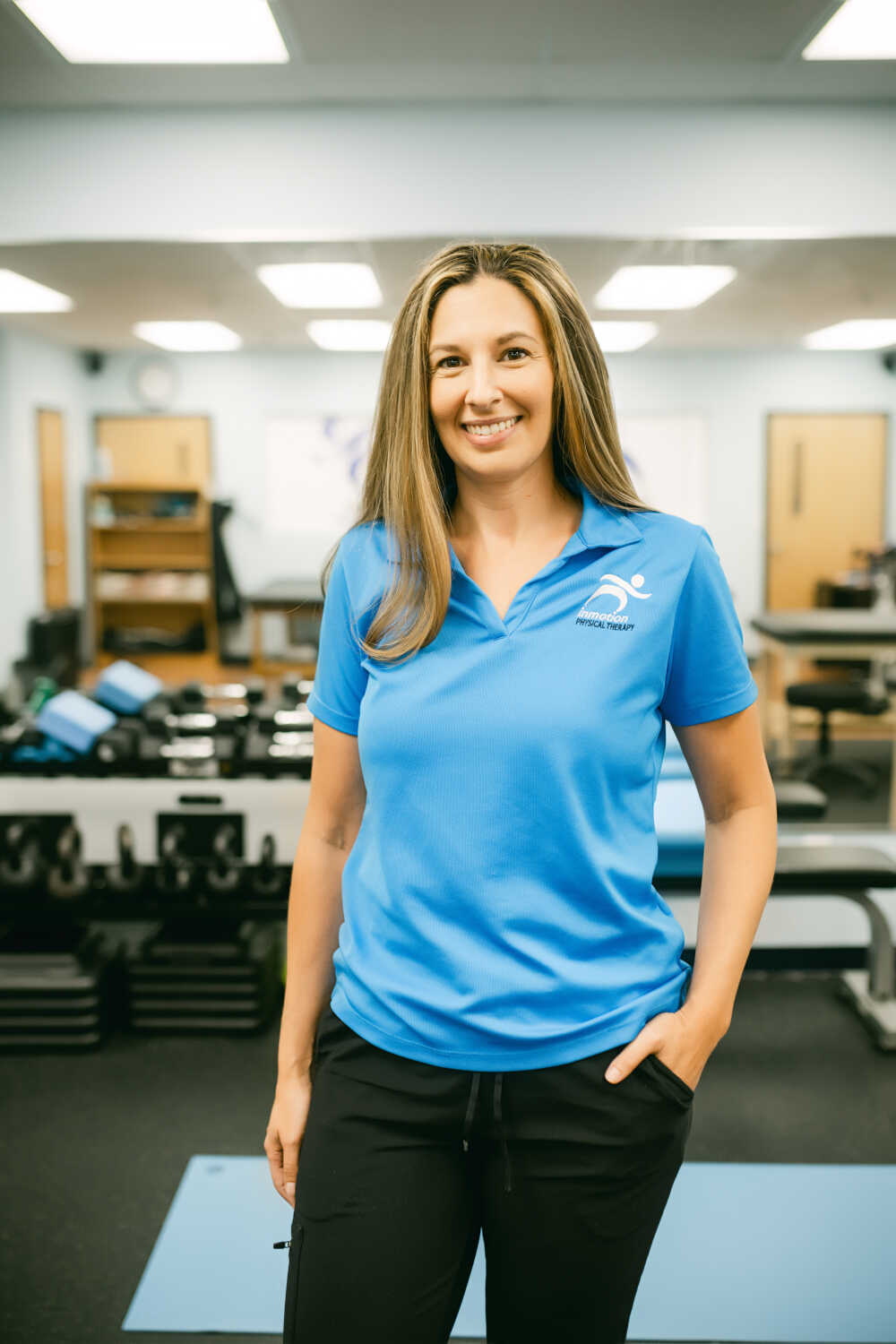
Laura Sommer has been practicing as a Physical Therapist since 2011. She graduated from Northeastern University, where she was a member of the Women’s Soccer Team. Laura is the owner of In Motion Physical Therapy located in Farmingdale, NY.