Post-Pitching Shoulder Soreness: What Parents Need to Know
You just watched your son pitch a great game. He walked off the mound with that familiar tightness in his shoulder—the same one he’s had after his last few outings. He says it’s fine. “Just a little sore, Mom.”
But here’s what keeps you up at night: How do you know when “normal soreness” crosses the line into something that could sideline him for the season—or worse?
Here’s the reality that every parent of a high school pitcher needs to understand: 74% of pitchers aged 8-18 report pain when throwing. Even more concerning? 21% of injuries sustained by high school pitchers are severe, requiring more than 3 weeks to return to play.
The good news? You don’t have to guess. A proper post pitching arm care routine isn’t just about rest—it’s about active recovery that keeps your son healthy and on the mound all season long.
At In Motion Physical Therapy, we work with baseball players across Long Island to develop arm care routines that actually work. Let’s break down exactly what your pitcher should be doing after every game to protect his arm and prevent the injuries that end seasons.
Movement Over Ice: Why We Prioritize Blood Flow First
Should You Ice Your Arm After Pitching?
Your son walks off the field, and your first instinct is to reach for the ice pack. It’s what everyone does, right?
Here’s what the research actually shows: While ice is the “old school” method, what your pitcher’s arm really needs after throwing is improved blood flow to flush out metabolic waste and speed recovery.
Think about it this way: After pitching, your son’s shoulder muscles are filled with metabolic byproducts—the waste products created by intense muscular effort. Ice constricts blood vessels and actually slows down the body’s natural recovery process.
Instead, here’s what we recommend pitchers do in the first 10-15 minutes after coming off the mound:
Light Aerobic Exercise
- 10-15 minutes of easy cycling on a stationary bike
- Light jogging at an easy conversational pace
- The goal: Get blood flowing without adding stress to the arm
This isn’t about burning calories or getting a workout. This is strategic recovery that helps your son’s body clear out waste products and deliver fresh oxygen and nutrients to tired shoulder muscles.
Restoring Stability with Light Exercises
The “Brakes” Your Pitcher’s Shoulder Needs
After your son throws 80-100 pitches, his rotator cuff and scapular stabilizers—the muscles that act as the “brakes” for his throwing arm—are exhausted. These muscles work overtime during the deceleration phase of pitching, literally preventing his arm from flying out of the socket with every pitch.
Here’s the problem: Tired “brakes” lead to compensation. And compensation leads to injury.
That’s why the second component of an effective post pitching arm care routine focuses on restoring stability right away.
6-Way Kettlebell Carries: The Secret Weapon
One of the most effective exercises we use at In Motion Physical Therapy is what we call 6-way kettlebell (KB) carries. These aren’t traditional strength exercises—they’re joint centration exercises that teach your son’s shoulder how to stabilize properly.
How It Works: Your son holds a light kettlebell in various positions while walking:
- Overhead carry (arm extended above head)
- Rack position (kettlebell at shoulder height)
- Suitcase carry (arm at side)
Then repeats on the other arm
Why Stability Beats Stretching: Many parents ask about pitcher shoulder stretches after throwing. Here’s the truth: While mobility is important, aggressive stretching of an already fatigued shoulder can actually create more instability. Your pitcher’s shoulder doesn’t need more range of motion right after throwing—it needs to restore proper control and centering of the joint.
Save the stretching for later. Right now, stability is king.
Advanced Arm Care After Pitching
Why Professional Recovery Treatments Matter
This is where most high school pitchers—and their parents—miss a crucial opportunity.
You’ve seen the statistics: 57% of UCL reconstructions (Tommy John surgeries) happen to pitchers between 15-19 years old, and this number is growing at 9.8% per year.
The difference between pitchers who stay healthy and those who end up needing surgery often comes down to one thing: professional-level recovery.
Elite pitchers don’t just “rest and ice.” They use advanced recovery technologies that accelerate tissue healing and prevent the buildup of restrictions that lead to compensations.
At In Motion Physical Therapy in Farmingdale, we offer the same recovery tools used by professional baseball organizations:
Normatec Compression Therapy
This isn’t your average compression sleeve. Normatec uses dynamic air compression to massage the arm and shoulder in a specific sequence that enhances lymphatic drainage and speeds the removal of metabolic waste.
Pitchers who use Normatec regularly report less soreness, better arm speed in their next outing, and faster recovery between games.
Marc Pro: Electrical Muscle Stimulation
Marc Pro uses a specific form of electrical stimulation that creates non-fatiguing muscle contractions. Unlike traditional TENS units, Marc Pro improves blood flow and accelerates recovery without taxing already-tired muscles.
Best Used: Immediately post-game or that evening at home for 20-30 minutes while your son relaxes or does homework.
IASTM (Soft Tissue Scraping)
If you’ve heard of “scraping” or “Graston technique,” this is it. Our physical therapists use specialized tools to break up fascial restrictions—the tight, knotted tissue that develops from repetitive throwing.
Why This Matters: These restrictions change how your athlete’s shoulder moves. They create compensations. And compensations lead to injuries down the kinetic chain—often showing up as pain.
If your pitcher is experiencing pain on the inside of his elbow, it could be related to shoulder restrictions forcing his elbow to take on extra stress. Learn more about this in our comprehensive guide on Baseball Elbow Pain and Treatment Options.
Blood Flow Restriction (BFR) Training for Pitchers
Here’s a scenario many parents face: Your pitcher is dealing with arm fatigue or recovering from a minor injury. He needs to build strength, but his arm can’t handle heavy resistance yet. What do you do?
This is where blood flow restriction training becomes a game-changer for baseball players.
What It Is: BFR uses specialized cuffs (similar to blood pressure cuffs) placed on your son’s arm during exercise. The cuff partially restricts blood flow while he performs light exercises—creating the muscle-building stimulus of heavy lifting with only 20-30% of the load.
Why It Works for Pitchers:
- Builds rotator cuff strength without stressing an already-fatigued shoulder
- Maintains muscle mass during periods when throwing is restricted
- Accelerates recovery from minor strains or overuse injuries
- Prevents atrophy during rest periods between seasons
Is It Safe? When performed by a certified physical therapist using FDA-listed equipment, BFR is extremely safe and well-researched. We individualize the pressure settings based on your son’s specific physiology and monitor every session.
Want to learn more about how BFR can help your pitcher stay strong without overloading his arm? Check out our comprehensive guide on Blood Flow Restriction Training for Athletes.
Professional Assisted Stretching
There’s a massive difference between a teenager stretching his own shoulder after a game and having a trained professional perform assisted stretching with proper angles, timing, and tension.
Professional assisted stretching:
- Targets the exact muscles that need lengthening
- Avoids overstretching already-fatigued stabilizers
- Uses proprioceptive neuromuscular facilitation (PNF) techniques
- Creates lasting improvements in mobility
The Bottom Line: These aren’t luxury treatments—they’re injury prevention tools that give your son the same advantages as college and pro pitchers.
The Most Essential Foundation of Recovery: Sleep and Nutrition
Why Rest Isn’t Enough (But Sleep Is Everything)
Here’s what most parents don’t realize: All the foam rolling, stretching, and recovery tools in the world won’t matter if your pitcher isn’t sleeping enough.
The Science: Tissue repair happens during deep sleep. Growth hormone—the key hormone for muscle recovery—is released primarily during sleep. Your son’s UCL microtears, his rotator cuff fatigue, his scapular muscle soreness—all of it heals while he sleeps.
The Non-Negotiable: High school pitchers need 8-10 hours of sleep per night, especially in-season.
That means if your son has to be up at 6:00 AM for school, he needs to be asleep (not just in bed—actually asleep) by 9:00 PM.
What to Eat After Throwing
The 30-60 minutes after pitching is the most important nutritional window for recovery. Here’s the simple formula every parent should know:
Protein + Carbohydrates Within 60 Minutes Post-Game
Protein (20-30 grams):
- Chocolate milk (a surprisingly perfect option)
- Protein shake
- Grilled chicken sandwich
- Greek yogurt with granola
Carbohydrates:
- Sweet potato
- Rice
- Pasta
- Fruit
Why Both Matter:
- Protein provides the building blocks to repair muscle tissue
- Carbohydrates replenish glycogen stores (energy) and help shuttle protein into muscles for repair
When a Routine Isn’t Enough: Expert Baseball Physical Therapy in Farmingdale
You can follow every step of this post pitching arm care routine perfectly. You can make sure your son gets enough sleep, eats the right foods, and does his mobility work.
But here’s what you need to understand: Every pitcher’s mechanics and anatomy are different.
What works for the ace on the team might not work for your son. And that’s where expert evaluation becomes crucial.
The Missing Piece: Individual Assessment
Our specialized baseball physical therapy programs go beyond a simple routine to analyze your son’s specific:
- Throwing mechanics and stress patterns
- Shoulder and hip mobility deficits
- Scapular control and positioning
- Rotator cuff strength imbalances
- Kinetic chain efficiency from ground to release
Here’s What We’ve Found: Many pitchers experiencing shoulder soreness actually have the root cause somewhere else—limited hip rotation, thoracic spine stiffness, or scapular dyskinesis. Treating just the shoulder misses the real problem.
For example, pitchers with cervical spine (neck) rotation less than 39° increases injury risk by more than 9 times. When was the last time your son had his neck mobility assessed?
What Makes In Motion Physical Therapy Different
At our Farmingdale clinic, we don’t just treat symptoms—we identify the root cause of why your pitcher is experiencing soreness or pain.
Our comprehensive baseball evaluation includes:
- Full Kinetic Chain Assessment
- Hip mobility screening
- Thoracic spine rotation
- Cervical spine mobility
- Shoulder range of motion in all planes
- Strength Testing using Tindeq
- Personalized Arm Care Program Development
- Custom exercises based on YOUR son’s specific needs
- Progressive strengthening protocols
- In-season maintenance strategies
- Return-to-throwing protocols if needed
- Parent Education and Communication
- We explain everything in clear, understandable terms
- You’ll know exactly what’s happening and why
- We coordinate with your son’s coaches and trainers
- You’ll have a clear roadmap for the season
Most importantly: We understand the parent’s perspective. You want your son to play the sport he loves while staying healthy and safe. That’s exactly what we help families achieve.
TLDR: Best Post Pitching Arm Care Routine
If your son is currently in-season and pitching regularly, here’s your step-by-step action plan:
Immediately After His Next Outing:
- Skip the ice (unless there’s acute pain or swelling)
- Light aerobic movement for 10-15 minutes
- 6-way KB carries or similar stability work
- Protein + carbs within 60 minutes
That Evening:
- Marc Pro or similar e-stim for 20-30 minutes
- Normatec compression if available
- Proper nutrition throughout the day
- In bed by 9:00 PM for that crucial 8-10 hours
Within the Week:
- Professional soft tissue work if available
- Mobility assessment to identify restrictions
- Continuing arm care exercises 3-4x per week minimum
If You Notice These Warning Signs:
- Shoulder pain lasting more than 48 hours post-game
- Decreased velocity over multiple outings
- Pain during non-throwing activities
- Elbow pain (inside or outside)
- Difficulty sleeping on the throwing shoulder
Don’t wait. Don’t “see if it gets better.” Go get a professional evaluation from a sports medicine doctor.
Frequently Asked Questions About Post Pitching Arm Care
How long should my son rest between pitching appearances?
Should my son throw between starts?
How do I know if my son needs to see a physical therapist?
Can these recovery techniques really prevent Tommy John surgery?
Don’t Guess With Your Pitcher’s Arm Health
The statistics are clear: Youth baseball injuries are on the rise, but they don’t have to be inevitable.
With the right post pitching arm care routine, professional guidance, and proactive intervention, your son can stay healthy, throw harder, and play the game he loves for years to come.
The difference between a season-ending injury and a scholarship-worthy performance often comes down to the small details—the recovery work that happens after the final pitch, the mobility deficits that get addressed before they cause compensations, and the expert guidance that identifies problems before they become injuries.
Your next step is simple:
Click Here to Schedule a Comprehensive Baseball Evaluation at In Motion Physical Therapy in Farmingdale.
Our expert team will assess your son’s throwing mechanics, identify any risk factors, and create a personalized arm care plan designed specifically for him.
Parents from across Long Island choose In Motion Physical Therapy because we:
- Specialize in working with baseball players at all levels
- Understand the demands of competitive youth sports
- Provide same-day appointments when injuries occur
- Communicate clearly with parents, players, and coaches
- Provide Highly Individualized Treatment Plans
Call us today at (516) 659-1087 or click the link above to book online.
Don’t let preventable injuries steal your athlete’s season. Let’s keep them healthy, strong, and on the mound.
About In Motion Physical Therapy
Located in Farmingdale, NY, In Motion Physical Therapy specializes in sports rehabilitation for athletes of all levels. Whether you’re a competitive gymnast, a golfer over 50, or a high school athlete recovering from injury, we provide individualized treatment plans that help you return to your sport stronger and more confident. Our TPI-certified golf performance evaluations and specialized gymnastics injury protocols ensure you receive expert care tailored to your sport’s demands.
Next on your reading list:
Sources:
Matsel, K. A., et al. (2021). Current Concepts in Arm Care Exercise Programs and Injury Risk Reduction in Adolescent Baseball Players: A Clinical Review. Sports Health, 13(3), 245-250.
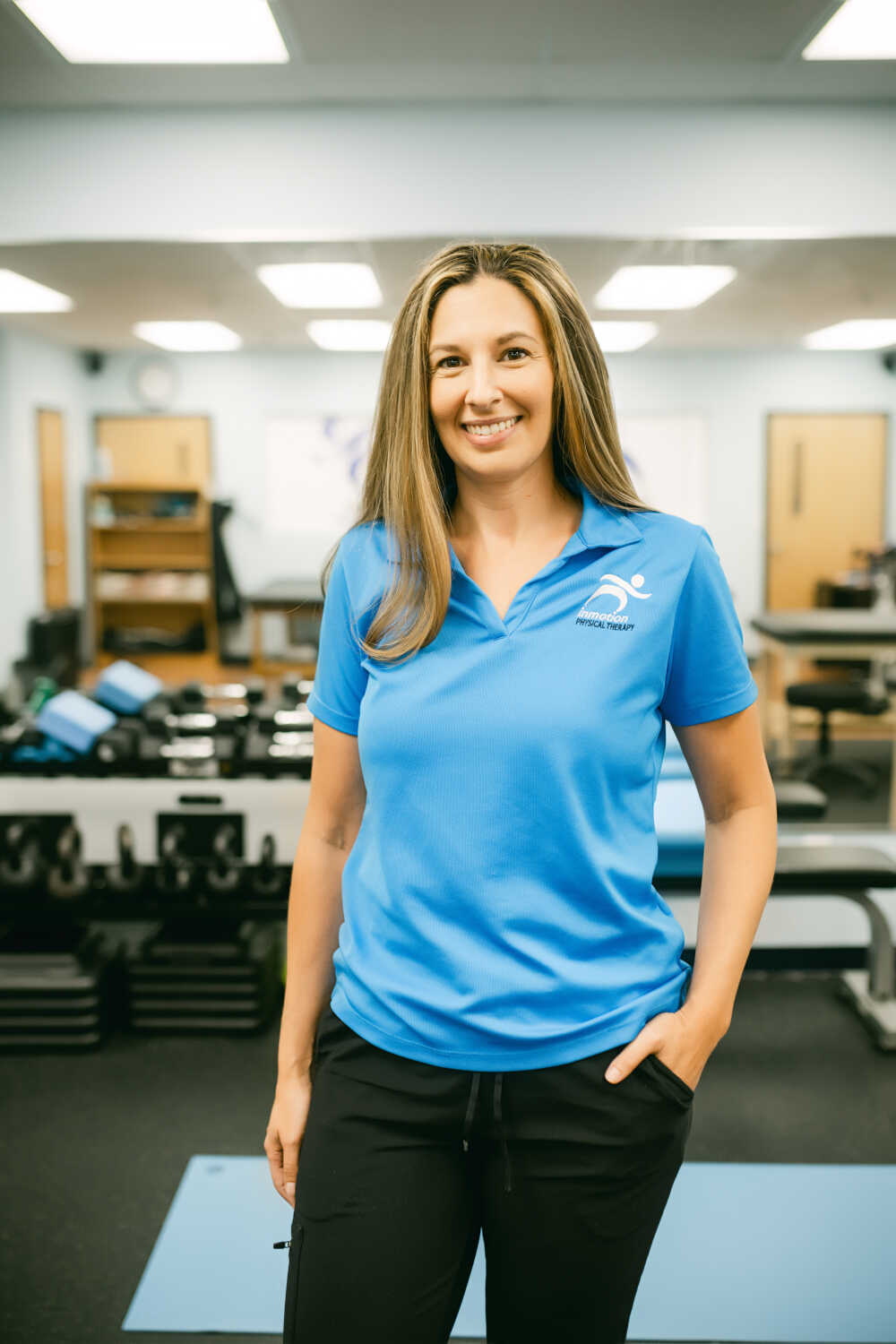
Laura Sommer has been practicing as a Physical Therapist since 2011. She graduated from Northeastern University, where she was a member of the Women’s Soccer Team. Laura is the owner of In Motion Physical Therapy located in Farmingdale, NY.